- My Keto Mind
- Posts
- Newsletter Episode #1
Newsletter Episode #1
And so it begins
Geoff Hargreaves
March 23, 2025

Yo Yo Crew, let’s get this rockshow on the move and welcome to My Keto Mind.
This is the first ever My Keto Mind Newsletter, and cannot wait to deliver every week, thoughtful, practical tips, information and recipes.
With the exchange of ideas, experiences on how changing our diet we can supercharge our brain to deliver like we never thought possible.
Todays 4 topics we are going to look at are;
Background to My Keto Mind
How Ketogenic Diet Improves Mental Disorders
Ketones and Dopamines are BFFs
Start with a Great Breakfast to keep your mind Firing throughout day
Background to My Keto Mind
For 45 years, I battled ADHD, addiction, anxiety, and the rollercoaster of mental health challenges.
I tried everything—medications, therapy, self-help courses, and even late-night TV memory tapes (with Danny from the Partridge Family sucking me in till the early hours)
Some worked for a while, but most left me feeling frustrated, lost, and exhausted.
I burned bridges, sabotaged opportunities, and found myself stuck in a cycle of self-destruction and isolation.
No matter how intelligent or charismatic I was, I felt trapped in a future of low-paying jobs and unfulfilled potential.
Then, everything changed.
One day, while deep in an ADHD YouTube rabbit hole.
I found this video on Diary of a CEO with Dr Georgina Ede.
This interview shifted my entire perspective—a video about the power of diet in transforming brain function and mental health.
That moment sparked a journey that changed my life—my relationships, my self-belief, and my future.
And this inspired me to share my experiences and find information for others to find themselves.
💡 What if you didn’t have to suffer in silence?
💡 What if there was another way—one that actually works?
💡 What if you could take control of your mind and your future?
This isn’t just about diet; it’s about freedom, clarity, and reclaiming your life.
How Ketogenic Diets Improve Mental Disorders

In recent years, the ketogenic diet has gained attention for its potential benefits beyond weight loss, including its impact on neurological and psychiatric conditions.
A study featured on DiagnosisDiet.com explores how a low-carbohydrate, high-fat diet may contribute to improvements in individuals with serious mental illnesses.
Understanding the Ketogenic Diet
The ketogenic diet is a nutritional approach that significantly reduces carbohydrate intake while increasing fat consumption, leading the body to enter a metabolic state known as ketosis.
This process shifts energy reliance from glucose to ketones, which may have neuroprotective effects.
Key Findings
The study reviewed on DiagnosisDiet.com suggests;
Individuals suffering from conditions such as schizophrenia, bipolar disorder, and major depressive disorder exhibited improvements when following a ketogenic diet.
Key findings include:
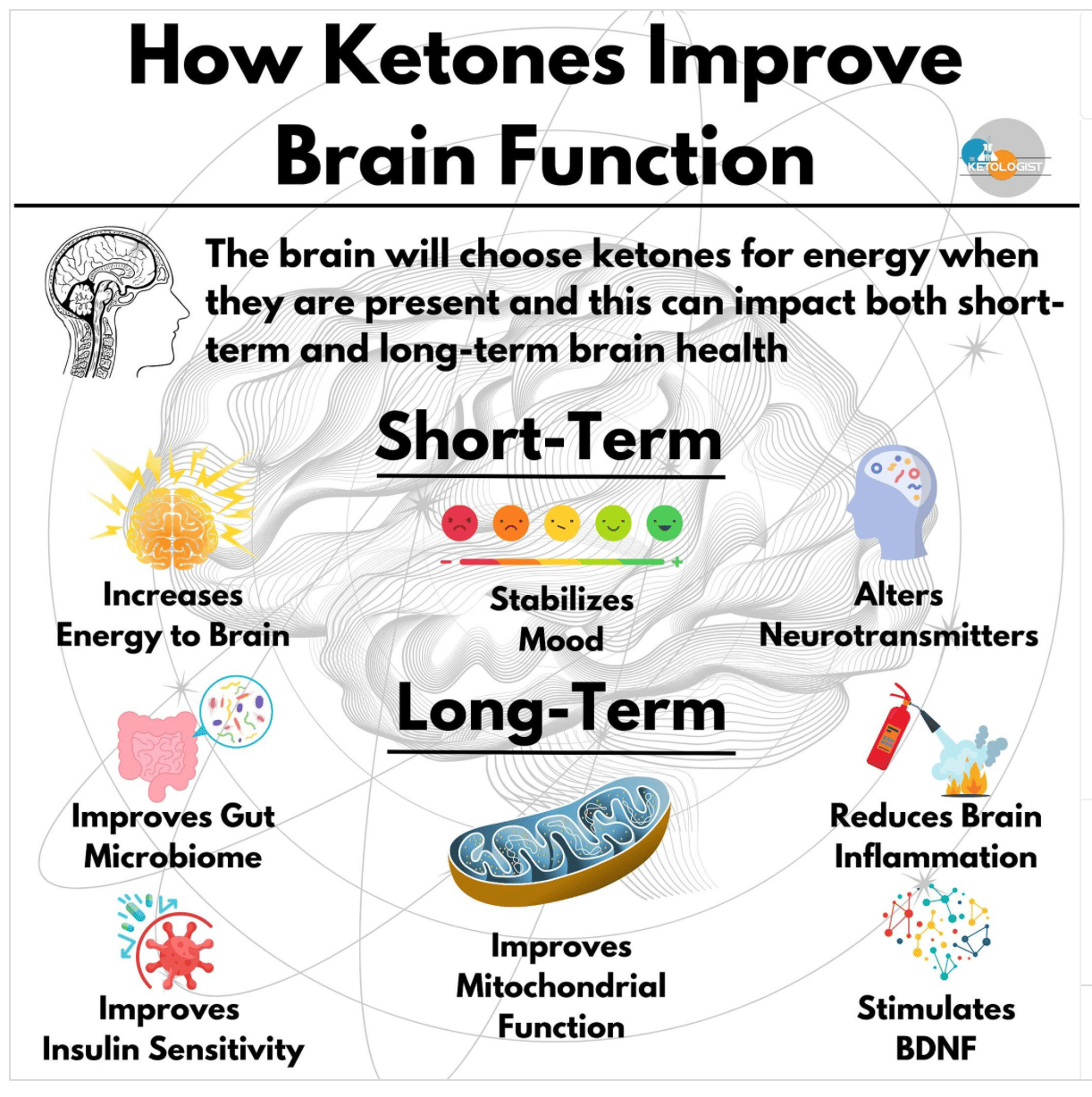
Reduced Psychiatric Symptoms: Participants experienced a reduction in symptoms like hallucinations, mood instability, and cognitive impairments.
Improved Energy Metabolism: Ketones provide an alternative fuel for the brain, which may be beneficial for individuals with metabolic dysfunctions.
Decreased Inflammation: Chronic inflammation has been linked to mental illnesses, and the ketogenic diet’s anti-inflammatory effects may contribute to symptom relief.
Benefits of Ketogenic Diet on Mental Performance
Benefits in Mental Health Treatment
While more research is needed, the findings suggest that dietary interventions, particularly the ketogenic diet, could serve as a complementary approach to traditional treatments like medication and therapy.
Want More Data?
Check out this study on DiagnosisDiet.com! It shows how the ketogenic diet might help with serious mental health issues.
As more people are interested in how food affects our brains, we’ll learn even more about how diet can help us feel better.
If you’re curious about this, the full article has all the details and implications.
Ketones and Dopamine are BFFs
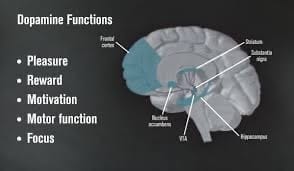
How Ketones can balance our dopamine and addictions
Hey, have you heard about the science behind ketogenic diets and addiction recovery?
It’s pretty cool stuff.
This article is for anyone who wants to understand how these diets can help people get better.
It’s also for the people who are struggling with addiction and their loved ones.
So, whether you’re a doctor, a therapist, or just someone who wants to learn more, this article is for you and was published on mental Health Keto Website
Did you know that drinking too much alcohol can change how your brain uses fuel?
Instead of relying on glucose, it starts using acetate, a byproduct of alcohol breakdown.
People with Alcohol Use Disorder (AUD) keep using acetate even after they’re sober, and their brains get used to it.
This means their brains expect acetate as a fuel source and are adapted to use it.
In AUD, there’s a constant low level of glucose in the brain and a high level of acetate metabolism.
This isn’t a new discovery.
Scientists have known about this since 1966 when Roach and their team suggested that impaired glucose metabolism might be the cause of alcoholism.
When someone is going through alcohol withdrawals and stops alcohol use, the brain stops getting the fuel it is expecting and equipped to handle.
This is crucial for treatment because inflammation in the brain can seriously mess with how the brain works, affecting thoughts, feelings, and behaviours.
For folks with substance use disorders, this inflammation can fuel cravings and make it tough to quit.
It can also mess with memory, decision-making, and emotional regulation, making it harder to handle stress and other triggers that can lead to relapse.
Brain inflammation can make recovery a real challenge by clouding a person’s thinking, making poor choices, and managing cravings and emotions.
It can also be instrumental in leading to reduced neural responses to hedonic rewards, decreased DA metabolites, increased reuptake, and decreased turnover of presynaptic DA.
These inflammatory responses may contribute to drug-induced rewards and drug relapse.
Luckily, a ketogenic diet (KD) has been shown to play a neuroprotective role in Addiction by reducing neuroinflammation.
Individuals with Addictions who adhered to a ketogenic diet (KD) – a diet high in fats and low in carbohydrates – exhibited lower levels of these inflammatory markers compared to those who followed a standard American diet (SA).
This indicates that the KD may be effective in mitigating brain inflammation.
If you or someone you know is struggling with Addiction, you know how tough it can be on everyone involved.
We need to find ways to help people who are affected and make a real difference in their lives.
One promising approach is the ketogenic diet. It’s not just about changing what you eat; it’s a powerful tool that can help people with SUDs recover.
I believe that the ketogenic diet should be a standard part of treatment for everyone who’s struggling with addiction.
Doctors and counsellors need to learn more about how the ketogenic diet works and how to use it effectively.
This way, they can help more people get the support they need to recover.
The ketogenic diet is a big change in how we treat Addiction.
By fixing the underlying metabolic problems that cause Addiction Disorders, the ketogenic diet can help people recover in a holistic way.
I hope this article will help more people understand this evidence-based approach and make it a part of standard treatment for loved ones.
That way, we can help more people get the support they need to live healthier, happier lives.
Start with a Great Breakfast to keep your Mind firing throughout the day
Break-Fast, that is exactly what it is, breaking our fasting from overnight. Now if we really want our mind and attention, to be working throughout the day, then Eggs could just be the perfect Breakfast stable.
Hopefully, you have had at least 8 hours from your last meal, and letting the insulin levels drop as we sleep, and and if we keep them down throughout the morning for as long as we can, then our focus and brain capabilities we certainly improve.
If you are begin on your ketones journey, a good way to start is have no carbohydrates or sugar from 8pm.
Continue with no carbs or sugar for the morning and your day at work.
that makes it little easy to start isn’t it?
So how can you do this.
Eggs are your friend and perfect ketogenic ingredient
Let me show your two super simple egg recipes that make having a good protein rich breakfast to start your day, with little to no carbs or sugar.
The simplest of both these recipes makes them perfect for busy families or lives, simple easy and delicious
Scrambled Eggs in Microwave.
Warning!!!! Some people maybe offended by admitting I scrambled eggs in a microwave.
Ok ok, I don’t care they are super easy and super quick and a lot easier to clean up.
Just add your protein and BAM!
Just remember no toast, no oats, no cereal.
Omlette in an Air-fryer.
As above replace Scrambled Eggs in Microwave with Omelette in Air-fryer, then rinse and repeat.
Easy Right.
Introducing Monk Fruit Sweeter
For the coffee in the morning then swap two ingredients out for these and your sugar level will stay super low for the day, and stop that snacking (aka sugar/carbs craving) during the day.
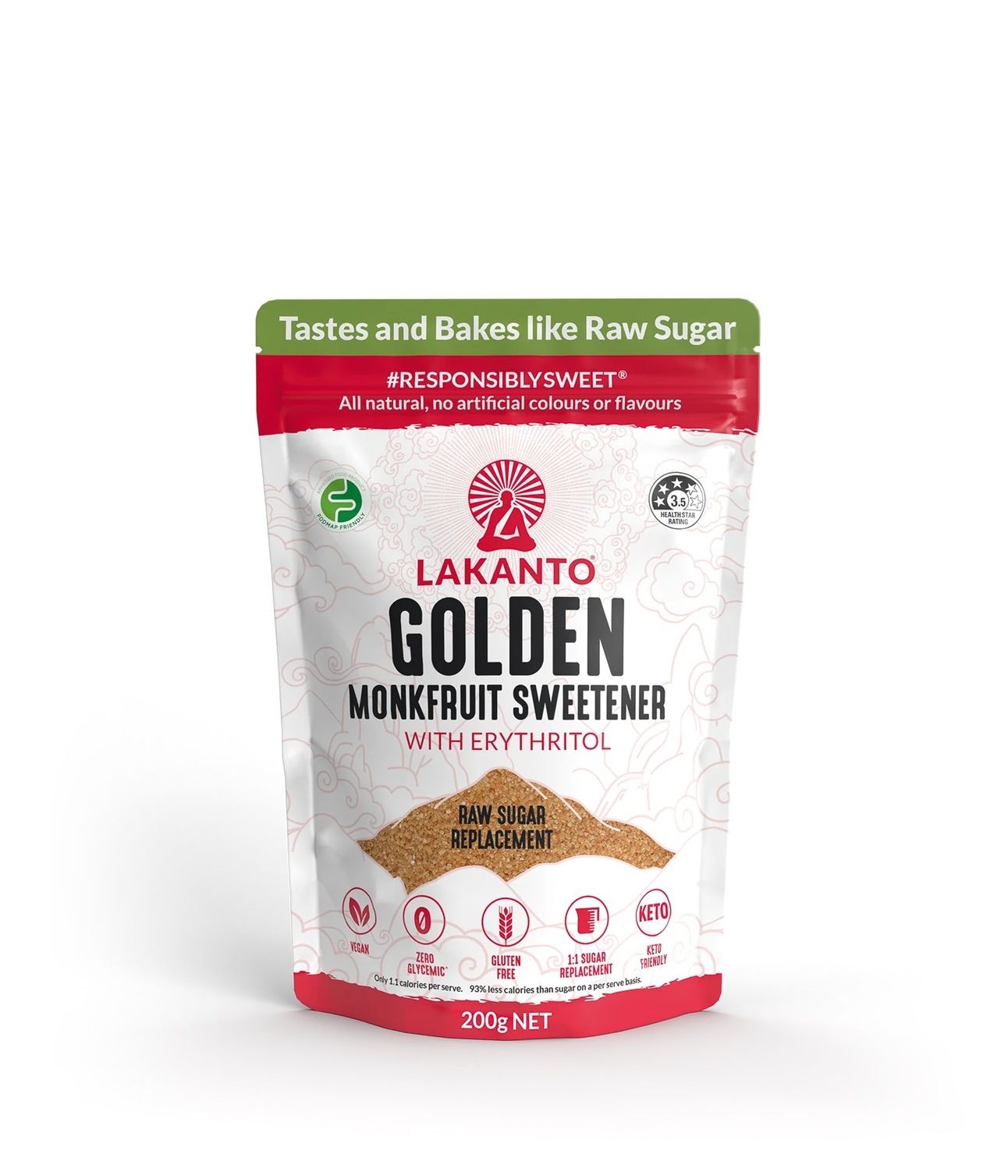
Perfect substitute for your morning coffee or tea.
Monkfruit is a great substitute for your morning beverage. No carb no sugar and as close to raw sugar taste that I Have tasted, and keeps me in ketosis and no spikes in insulin.
Ditch the Milk for Cream or Butter
Well I can’t guarantee you will be floating around like Prince or a Prince Model, however cream is so much better for your brain and taste in your coffee.
If you want to go a bit further try a table spoon of butter (not margarine !! been there done that, bad choice)
A tablespoon of cream in your coffee we keep that insulin low and build those ketones up.
And there we go, Episode 1 Complete
Well you made it through, and thank you, I hope it has been entertaining and informative. As this is the Number 1 Edition, I’d like to thank all you O.Gs for joining crew.
Im Geoff Hargreaves.
till next week
Reply