- KetoMind
- Posts
- My Keto Mind
My Keto Mind
FOOD 4 THOUGHT EPISODE #6
Geoff Hargreaves
April 27, 2025
Keto for Kids: Safe & Healthy Implementation for Neurodiversity
Your Guide to Metabolic Psychiatry and Ketogenic Living for Neurodivergent Children
Geoff Hargreaves • April 27, 2025
Welcome to My Keto Mind!
Hey there, Keto Curious Friend!
This week’s issue is a must-read if you’re curious about the safe and effective use of ketogenic diets to support neurodivergent children—especially those with Autism Spectrum Disorder (ASD) or ADHD.
We’ll break down the latest science, offer practical safety guidelines, and share delicious, kid-approved recipes for even the pickiest eaters.
Here’s what’s inside:
Main Article: Implementing Ketogenic Diets Safely for Neurodivergent Children
Food 4 Thought: The Latest in Metabolic Psychiatry for Neurodiversity
Keto Kitchen: 3 Sensory-Friendly Keto Recipes for Kids
Community: Poll and resources for parents and caregivers
Main Article: Implementing Ketogenic Diets Safely for Neurodivergent Children

The ketogenic diet, long established for use in epilepsy, is finding a new role in supporting the unique neurobiology of children with ASD and ADHD.
Recent clinical studies demonstrate meaningful improvements in behavioral symptoms, social interaction, and mood—in part due to ketones’ powerful impact on brain energy metabolism, inflammation, and gut health.
Note: Keto for children should always be implemented under medical supervision, with dietitian guidance and lab monitoring.
The 3 Main Approaches
Classic Ketogenic Diet: 4:1 ratio of fat: (protein + carbs), often used in clinical settings; strict but most evidence-backed, especially for epilepsy and autism.
Modified Atkins Diet (mAD): 1.5:1 fat:(protein+carbs); less strict, easier for families, still induces ketosis.
MCT Supplemented Keto: Uses medium-chain triglycerides (oils like coconut or MCT oil); can allow slighter higher carb intake while maintaining therapeutic ketone levels.
Safety & Supervision
Must include regular check-ins with a healthcare team (pediatrician + dietitian)
Monitor labs (electrolytes, lipids, growth, kidney/liver function)
Screen for contraindications: Not suitable for children with certain metabolic/genetic disorders
Ensure adequate protein, micronutrients, hydration, and fiber
Addressing Sensory Preferences
Many neurodivergent children have food selectivity, strong texture, or color aversions.
Start by identifying and keto-adapting familiar favorites.
Choose nutrient-rich options within your child’s accepted range, and remember: positive exposure, one change at a time, and no pressure is key!
Practical Steps to Begin
Consult your healthcare provider and dietitian experienced in pediatric keto
Transition slowly (reduce carbs over 2-3 weeks instead of overnight)
Focus on nutrient-dense, single-ingredient keto swaps the child already likes
Track intake, ketone levels (as directed), and behavioral/energy changes
When tailored carefully and monitored, ketogenic diets can offer hope to families seeking new ways to support neurodivergent children’s health—beyond medication alone.
Read More: Frontiers in Nutrition
Start with medical expertise and family patience, and progress steadily for best results!
Food 4 Thought: The Latest in Metabolic Psychiatry for Neurodiversity
Ketogenic diet as a treatment option for neurodevelopmental disorders
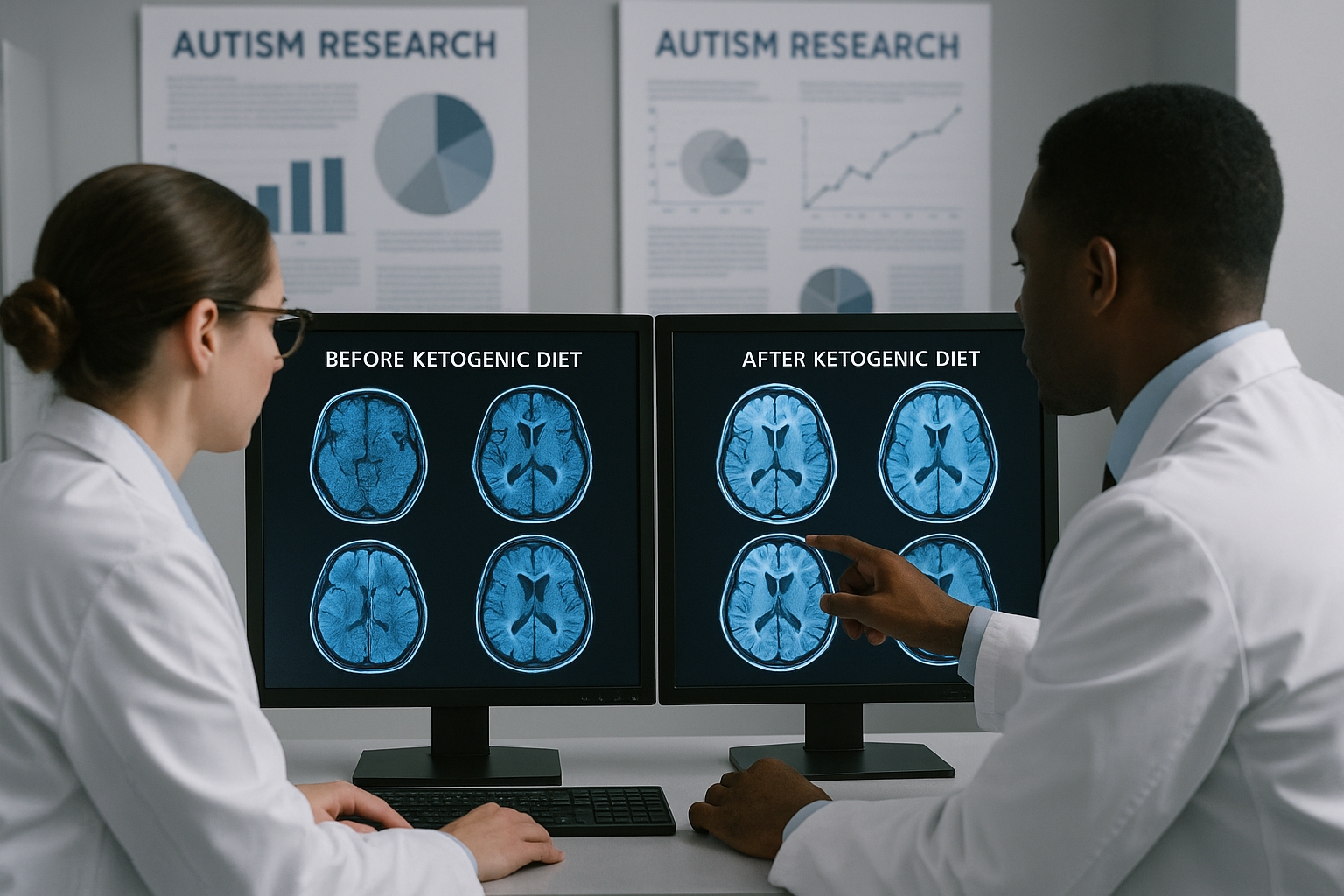
Recent research suggests the ketogenic diet (KD) could offer significant benefits for teenagers on the autism spectrum.
The diet, high in healthy fats and low in carbohydrates, encourages the body to use ketones for energy instead of glucose.
This metabolic shift appears to support brain health by reducing inflammation, balancing neurotransmitters, and improving mitochondrial function — all critical factors in autism.
Studies have reported improvements in social behavior, communication, and reduced repetitive behaviors after several months on the ketogenic diet.
Some teens also experience better mood regulation and lower anxiety levels.
The diet’s focus on stabilizing blood sugar may also help manage meltdowns and mood swings commonly associated with autism.
While KD isn't a cure, it is emerging as a potential complementary therapy alongside traditional approaches.
For families seeking more natural ways to support their teenager's development and well-being, keto may offer a powerful, science-backed tool worth exploring with professional guidance.
Reference: Frontiers in Nutrition, 2024
Keto and ADHD: What Do We Know?

Attention Deficit Hyperactivity Disorder (ADHD) is often associated with impulsivity, difficulty concentrating, and mood instability.
New studies suggest that the ketogenic diet could help manage these symptoms naturally.
By keeping blood sugar levels stable and reducing inflammatory processes in the brain, KD may lead to improved attention, less hyperactivity, and better emotional control.
Ketones provide a steady fuel source for the brain, which may enhance cognitive function and help balance neurotransmitters like dopamine — often dysregulated in ADHD.
Parents have reported improvements in homework focus, calmer behavior, and even better sleep patterns in teens who switch to a ketogenic lifestyle.
Though still an emerging area of study, early results are promising.
Switching to keto could be a natural alternative or addition to medication for some families. Always consult a healthcare provider, but for many teenagers, a low-carb, high-fat diet could mean a clearer mind and a calmer life.
The Gut-Brain Axis and Neurodiverse Kids
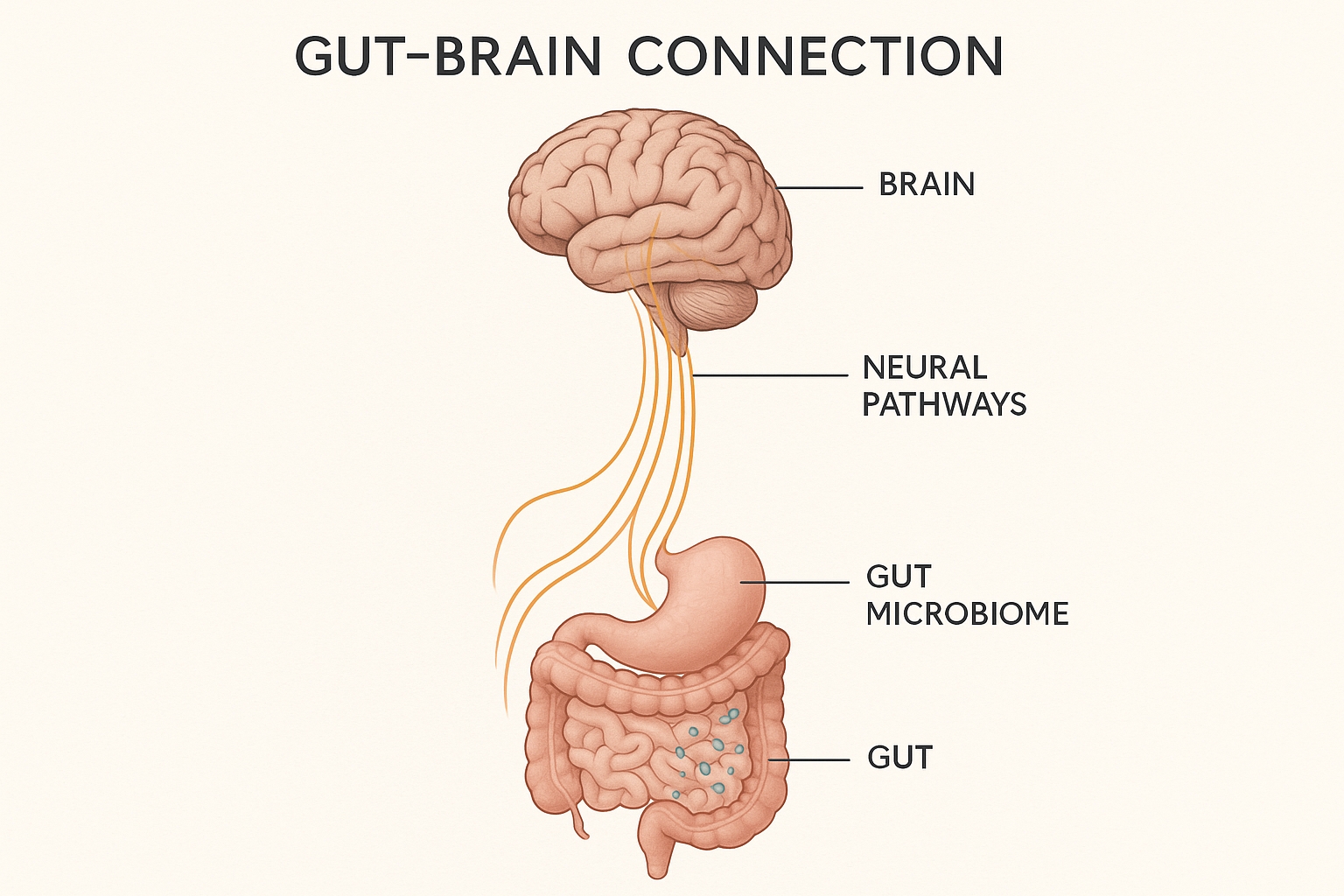
The gut-brain axis is the powerful communication network between the digestive system and the brain.
Emerging research shows this connection plays a major role in mental health, behavior, and even developmental conditions — especially in neurodiverse kids with autism, ADHD, or sensory processing challenges.
The gut is home to trillions of bacteria, often called the microbiome.
These microbes produce neurotransmitters like serotonin and dopamine, which directly impact mood, focus, and emotional regulation.
When the gut is out of balance — due to poor diet, antibiotics, or stress — it can lead to inflammation and disrupted signaling to the brain, often worsening symptoms like anxiety, irritability, hyperactivity, and sleep disturbances.
For neurodiverse children, a healthy gut may be the missing link to better emotional and cognitive health.
Studies have found that children with autism and ADHD often have distinct gut microbiome profiles compared to neurotypical peers.
Interventions like a nutrient-rich diet, probiotics, and minimizing processed foods can sometimes dramatically improve attention span, social engagement, and mood stability.
Parents and practitioners are increasingly looking at gut health as a foundational piece in supporting neurodiverse kids.
Addressing the gut-brain axis doesn’t replace traditional therapies, but it can make them more effective by creating a brain and body that are ready to learn, connect, and thrive.
Understanding and nurturing this vital connection offers hope — and real change — for families seeking new ways to support their child's unique journey.
Read more: News Medical, 2024
How Keto Supports Teen Mood and Behaviour

Teenagers today face soaring rates of anxiety, depression, and mood instability.
Nutrition plays a crucial role in brain health — and the ketogenic diet is gaining attention as a tool for emotional regulation.
By stabilizing blood sugar and lowering brain inflammation, keto can lead to more balanced moods, reduced irritability, and increased resilience to stress.
Some studies even suggest that keto diets help boost GABA (a calming brain chemical) and reduce glutamate (an excitatory one), creating a more peaceful mental environment.
Teens on keto often report feeling "more even," less anxious, and more in control of their emotions.
Parents exploring keto for behavioral or emotional issues in their teens are finding it’s not just about diet — it's about building a foundation for mental health.
With proper supervision, the ketogenic diet could offer teenagers a real pathway toward emotional stability and a stronger, healthier future.
Keto Kitchen: 3 Sensory-Friendly Keto Recipes for Kids
Crispy Keto Chicken Nuggets (Almond Flour)

These oven-baked nuggets are crunchy, familiar, and easy to dip—perfect for picky eaters!
1 lb chicken breast, cut bite-size
2 eggs, beaten
1 cup almond flour (blanched)
1/2 cup grated parmesan cheese (optional)
1 tsp garlic powder, 1 tsp paprika, sea salt
Avocado oil spray
Preheat oven to 400°F (200°C). Line baking sheet with parchment.
Mix almond flour, cheese, spices in a bowl. Dip chicken in egg, then coat in flour mix.
Arrange nuggets spaced apart, spray with avocado oil. Bake 20 min, flipping halfway.
Tip: Serve with sugar-free ketchup or ranch. Texture can be adjusted by using pulverized pork rinds instead of almond flour.
Blueberry Avocado Keto Smoothie
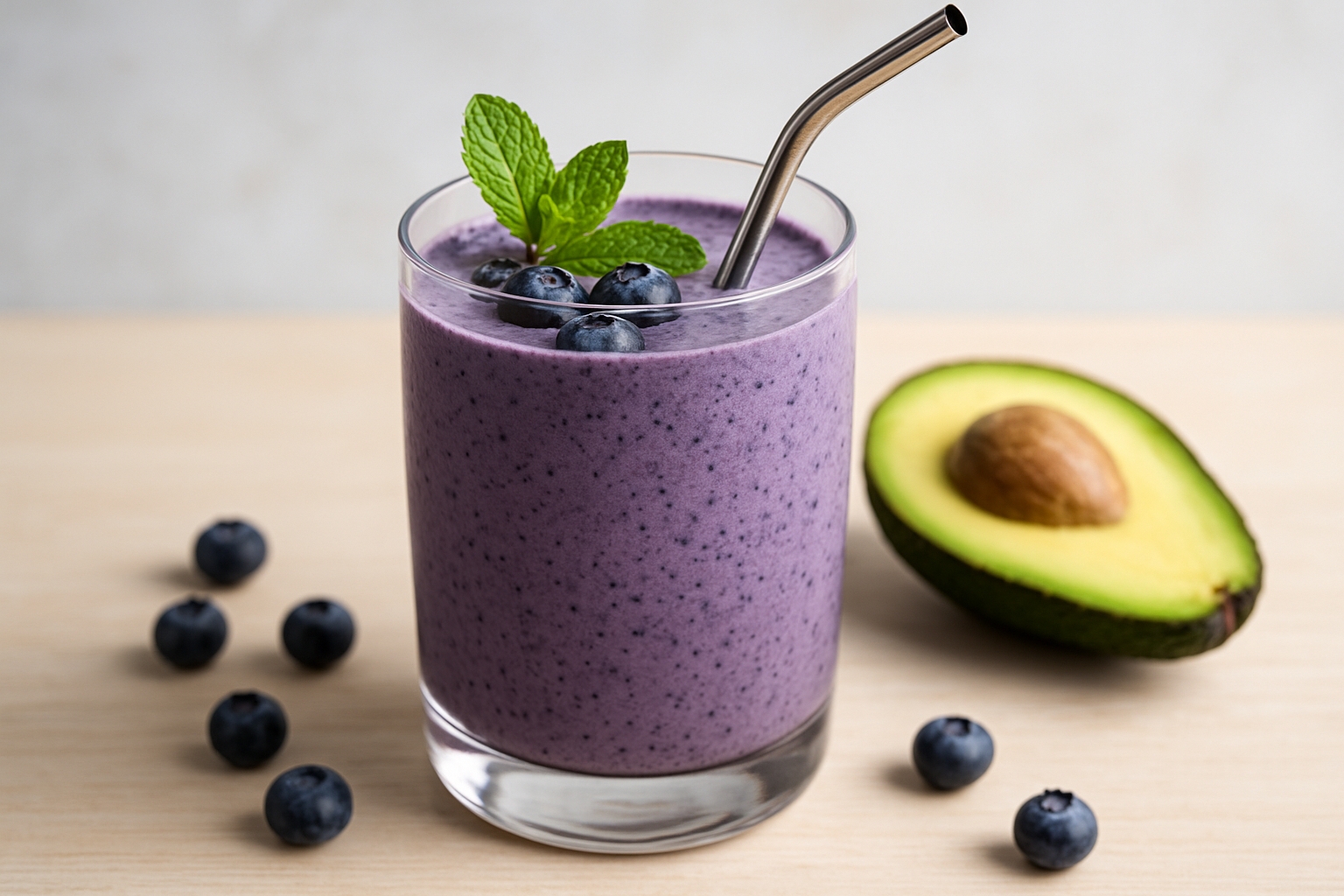
1/2 avocado (ripe, no chunks)
1 cup unsweetened almond or coconut milk
1/3 cup frozen blueberries
1 scoop unflavored collagen (optional)
2-3 drops liquid stevia/monkfruit
Blend all ingredients until ultra-smooth and creamy.
Pour into glass, top with a berry or mint if desired.
Silky and neutral—great for sensory sensitivities and low in sugar.
Keto Veggie Pancakes

2 eggs
2 oz cream cheese (softened)
1/2 cup almond flour
1/4 cup shredded zucchini or spinach (squeeze out water)
1/4 tsp cinnamon, pinch of salt, 1/4 tsp baking powder
Blend all pancake ingredients until smooth.
Cook on non-stick skillet with butter or coconut oil, 2-3 min per side.
Serve with butter and sugar-free syrup.
These are fluffy, mild, and you can barely taste the veggies—a win for parents and kids!
What's On Your Mind?
📊 Quick Poll: What has been your biggest challenge in implementing dietary changes with your neurodivergent child?
Join Our Community! Curious about metabolic approaches for neurodiversity and mental health? Subscribe for:
Weekly science-backed articles
Exclusive recipes
Expert interviews and Q&As
Peer support stories
First access to live events
Coming Next Month:
Keto for School Success: Supporting Focus, Mood, and Social Skills in Children
My Keto Mind - Supporting Mental Wellness through Nutrition
Subscribe | Contact | Privacy Policy
© 2025 Geoff Hargreaves. All rights reserved.
Reply