- My Keto Mind
- Posts
- Food 4 Thought Episode #9
Food 4 Thought Episode #9
Your Complete Guide to Metabolic Psychiatry and Ketogenic Living
Geoff Hargreaves
May 26, 2025
Welcome to My Keto Mind!
Hey there Metabolic Mover and Shaker 👋 This week’s issue dives into a powerful, often misunderstood nutritional strategy designed to reignite sluggish metabolisms, especially for women navigating the unique challenges of being over 50. We're talking about Metabolic Confusion, also known as calorie cycling or diet cycling.
You'll discover:
✅ What Metabolic Confusion is and why it's perfect for women over 50
✅ How it combats metabolic slowdown linked to menopause
✅ The connection between metabolic confusion, hormones, and sustainable weight management
✅ Practical tips for integrating metabolic confusion into your life
✅ 3 metabolism-boosting recipes tailored for women over 50
💬 Join Our Community!
Connect, learn, and share your journey with others embracing the metabolic health path.
👉 Dive into the full articles below — your hormones (and your brain!) will thank you.

🌟 FEATURE ARTICLE What Is Metabolic Confusion—and Why Does It Help Women Over 50?
Metabolic Confusion is a dietary strategy that involves intentionally varying your calorie and macronutrient intake from day to day or week to week.
Instead of sticking to a fixed daily calorie target, you alternate between higher and lower calorie days, or higher and lower carbohydrate days.
The goal is to prevent your metabolism from adapting to a consistent caloric deficit, which can lead to plateaus and a slower metabolic rate.
For women over 50, this approach is particularly beneficial because:
Age-Related Metabolic Slowdown: As we age, our metabolism naturally slows down due to factors like decreased muscle mass, hormonal shifts (especially during and after menopause), and a more sedentary lifestyle.
This makes weight loss harder and weight gain easier.
Hormonal Fluctuations: Menopause brings significant hormonal changes, particularly a decline in estrogen.
Estrogen plays a role in regulating metabolism and fat distribution. A steady low-calorie diet can exacerbate these hormonal imbalances, leading to fatigue, mood swings, and nutrient deficiencies.
Adaptation Prevention: When you consistently eat the same number of calories, your body adapts by lowering its metabolic rate to conserve energy. This is often why initial weight loss eventually stalls.
Metabolic confusion "confuses" the body, preventing this adaptation and keeping your metabolism guessing.
“After years of struggling to lose weight with traditional diets, metabolic confusion finally gave me a breakthrough,” says Susan, a 58-year-old who lost 15kg using this method. “My energy levels are higher, and I feel like my body is finally working with me, not against me.”
The core principle is to avoid prolonged caloric restriction. Instead, you create a caloric deficit over time by strategically alternating days. For example:
High-Calorie Days: These days typically involve eating at or slightly above your maintenance calories. They replenish glycogen stores, boost leptin (a satiety hormone), and can prevent feelings of deprivation.
Low-Calorie Days: These days involve a caloric deficit, prompting your body to tap into fat stores for energy.
While not a magic bullet, Metabolic Confusion has been shown to:
✅ Break through weight loss plateaus
✅ Improve metabolic flexibility (the body's ability to switch between burning carbs and fat)
✅ Reduce feelings of deprivation and increase diet adherence
✅ Support hormonal balance by preventing excessive stress on the body
✅ Maintain muscle mass better than continuous calorie restriction
🧾 Reference:
International Journal of Obesity, 2018
Journal of Clinical Endocrinology & Metabolism, 2021
Food 4 Thought: Latest in Metabolic Health

🧠 FOOD 4 THOUGHT
Metabolic Confusion & Women Over 50: Why It’s a Game Changer
Women over 50 often face a unique set of challenges when it comes to weight management and metabolic health.
The onset of menopause, typically between ages 45 and 55, brings a significant drop in estrogen.
This hormonal shift contributes to a decline in basal metabolic rate (BMR), an increase in abdominal fat storage, and a greater risk of insulin resistance.
Traditional continuous calorie restriction diets can often backfire, further slowing metabolism and leading to nutrient deficiencies, muscle loss, and a feeling of constant hunger.
Metabolic Confusion offers a refreshing alternative by working with your body’s natural rhythms rather than against them. By strategically varying caloric intake, it helps to:
Prevent Metabolic Adaptation: When you consistently eat low calories, your body enters "starvation mode," slowing down its metabolism to conserve energy. Alternating high and low-calorie days prevents this adaptation, keeping your metabolic rate higher.
Support Hormone Balance: The high-calorie days can help to replenish leptin levels (a hormone that signals satiety and boosts metabolism) and reduce cortisol (stress hormone) production that often accompanies chronic dieting. This is crucial for women over 50, as hormonal fluctuations are already a significant factor.
Maintain Muscle Mass: Muscle is metabolically active tissue, meaning it burns more calories at rest. Continuous calorie restriction often leads to muscle loss, further slowing metabolism. Strategic higher calorie days can help preserve lean muscle mass.
In a 2019 study published in Nutrition & Metabolism, women over 50 who incorporated calorie cycling into their diet saw greater weight loss and improved body composition compared to those on a continuous low-calorie diet.
They also reported better adherence and reduced feelings of deprivation.
“I used to dread dieting, but with metabolic confusion, I don't feel like I'm constantly sacrificing,” says Maria, 55. “The higher calorie days keep me motivated, and I’ve seen my stubborn belly fat finally start to shift.”
This approach also promotes a healthier relationship with food, moving away from restrictive mindsets towards a more flexible and sustainable way of eating that aligns with the evolving needs of the post-menopausal body.
🧾 Study: Nutrition & Metabolism, 2019
2. Metabolic Confusion + Hormones = Sustainable Weight Management
The interplay between metabolic confusion and hormones is a critical factor in its effectiveness, especially for women over 50.

As estrogen levels decline during perimenopause and menopause, several metabolic changes occur: a decrease in insulin sensitivity, a tendency to store more fat around the abdomen, and a reduction in energy expenditure.
These changes make traditional weight loss methods less effective and often frustrating.
Metabolic Confusion helps to mitigate these hormonal challenges by:
Optimizing Leptin and Ghrelin: Leptin is a hormone that regulates energy balance by inhibiting hunger, while ghrelin stimulates appetite.
Chronic low-calorie diets can disrupt these hormones, leading to increased hunger and decreased satiety.
High-calorie days in a metabolic confusion cycle can help to reset leptin levels, improving feelings of fullness and reducing cravings.Managing Insulin Sensitivity: By incorporating varied carbohydrate intake, metabolic confusion can improve insulin sensitivity.
On lower-carb or lower-calorie days, the body becomes more efficient at using fat for fuel, while higher-carb days, when strategically placed, can help to replenish glycogen without causing sustained insulin spikes.
This flexibility is key for an aging metabolism.Reducing Stress Response (Cortisol): Consistent caloric restriction is a stressor on the body, leading to elevated cortisol levels.
High cortisol can promote fat storage, especially in the abdominal area, and contribute to muscle breakdown.
The higher calorie days in a metabolic confusion plan provide a metabolic "break," reducing the chronic stress response and supporting healthier cortisol levels.
A 2022 review in the Journal of Women's Health highlighted that diet cycling strategies were more effective for long-term weight management in post-menopausal women due to their positive impact on hormonal regulation and psychological adherence.
“I noticed my mood swings lessened and my sleep improved significantly once I started varying my calories,” shared Brenda, 62. “It felt less like a diet and more like a lifestyle that supported my body’s natural rhythms.”
Combining metabolic confusion with mindful eating and consistent strength training can create a powerful synergy for sustainable weight management, improved body composition, and enhanced well-being during and after menopause.
🧾 Reference: Journal of Women's Health, 2022
3. Practical Strategies for Metabolic Confusion Over 50
Implementing Metabolic Confusion effectively for women over 50 requires a thoughtful approach, focusing on consistency, nutrient density, and listening to your body.
Here are some practical strategies to integrate this powerful tool into your routine:
Start with a Simple Cycle: Don't overcomplicate it initially.
A common approach is a "5:2" pattern, where you have 5 regular eating days (at or slightly above maintenance) and 2 lower-calorie days (e.g., 800-1200 calories).
Another popular method is alternating high-calorie and low-calorie days (e.g., high, low, high, low, high, low, maintenance).
Find what fits your lifestyle.Prioritize Protein: Regardless of high or low-calorie days, ensure adequate protein intake (1.2-1.6g per kg of body weight).
This is crucial for preserving muscle mass, which often declines with age, and for promoting satiety.Focus on Nutrient-Dense Foods: On all days, emphasize whole, unprocessed foods. Lean proteins, plenty of non-starchy vegetables, healthy fats (avocado, nuts, seeds, olive oil), and complex carbohydrates (quinoa, sweet potatoes, oats) on higher-carb days.
This ensures you're getting essential vitamins and minerals.Hydration is Key: Drink plenty of water throughout the day. This supports metabolism, aids digestion, and can help manage hunger.
Incorporate Strength Training: Metabolic confusion works best when paired with regular physical activity, especially strength training.
Building and maintaining muscle mass is vital for boosting your resting metabolic rate and improving body composition.Listen to Your Body: Pay attention to hunger cues, energy levels, and mood.
If you feel overly fatigued or irritable, you might need to adjust your calorie targets or cycle length.
The goal is sustainability, not deprivation.Track and Adjust: For the first few weeks, consider tracking your food intake to understand your calorie ranges and how different foods make you feel.
This helps you refine your cycle to suit your individual needs.Don't Fear Carbs (on high days): On your higher-calorie or higher-carb days, strategically include complex carbohydrates.
These days are essential for replenishing glycogen stores and preventing metabolic slowdown.
“I learned to tune into my body more,” says Eleanor, 52. “Some days I needed more, some less. This flexibility made it feel much more natural and sustainable.”
By adopting these strategies, women over 50 can harness the power of metabolic confusion to reignite their metabolism, manage weight effectively, and feel more energetic and vibrant.
🧾 Explore: Precision Nutrition's Guide to Calorie Cycling
4. The Future of Metabolic Health for Women Over 50

As our understanding of longevity and women's health evolves, the future of metabolic health for women over 50 is increasingly focused on personalized, flexible, and sustainable approaches.
Metabolic confusion is at the forefront of this shift, moving away from rigid, one-size-fits-all diets that often fail in the long run.
Future trends and considerations for women over 50 include:
Personalized Nutrition based on Biomarkers: Advancements in genetic testing, microbiome analysis, and continuous glucose monitoring (CGM) will allow for highly personalized metabolic confusion plans.
This means understanding individual hormonal responses, nutrient absorption, and metabolic flexibility to fine-tune calorie and macronutrient cycling.Integration with Hormone Therapy: Metabolic confusion will likely be integrated with hormone replacement therapy (HRT) or other hormonal support strategies.
By optimizing metabolic function through diet cycling, women can potentially enhance the benefits of HRT or manage symptoms more effectively without it.Emphasis on Metabolic Flexibility: The focus will shift from just "weight loss" to improving metabolic flexibility – the body's ability to efficiently switch between burning carbohydrates and fats for fuel.
Metabolic confusion inherently promotes this, leading to better energy levels, reduced cravings, and enhanced overall health.Mind-Body Connection: A greater emphasis will be placed on the psychological aspects of eating.
Metabolic confusion, with its built-in flexibility, helps alleviate diet fatigue and fosters a healthier relationship with food, reducing the stress and anxiety often associated with restrictive dieting.Community and Coaching Support: As awareness grows, more specialized coaching programs and online communities will emerge, offering tailored guidance and peer support for women over 50 navigating metabolic confusion and other healthy aging strategies.
Research on Specific Cycles: Further research will likely pinpoint optimal cycling patterns for different individuals and life stages, such as specific patterns for post-menopausal women with pre-diabetes or those managing autoimmune conditions.
“It's not just about losing weight anymore; it’s about feeling vibrant and strong as I age,” says Dr. Anya Sharma, a nutritionist specializing in women's health. “Metabolic confusion allows for that flexibility and resilience.”
The future of metabolic health for women over 50 is bright, promising more individualized, sustainable, and empowering strategies that support not just weight management, but overall vitality and well-being.
🧾 Reference: Trends in Endocrinology & Metabolism, 2023
👩🍳 METABOLISM-BOOSTING RECIPES FOR WOMEN OVER 50
These recipes are designed to be nutrient-dense, supportive of hormonal balance, and easily adaptable for both high and low-calorie days in a metabolic confusion cycle.
They focus on lean protein, healthy fats, and complex carbohydrates where appropriate.
🍗 1. Sheet Pan Lemon Herb Chicken & Veggies Ingredients:

2 chicken breasts, cut into 1-inch pieces
1 cup broccoli florets
1 cup bell peppers (any color), sliced
1 zucchini, chopped
2 tbsp olive oil
1 lemon, juiced
1 tsp dried oregano
1/2 tsp dried thyme
Salt and pepper to taste Instructions:
Preheat oven to 200°C (390°F).
Toss chicken and veggies with olive oil, lemon juice, oregano, thyme, salt, and pepper on a large baking sheet.
Roast for 20-25 minutes, or until chicken is cooked through and vegetables are tender-crisp. 🧠 Why it helps: High in lean protein and fiber, easily adjustable portion sizes for high/low calorie days.
🥣 2. Creamy Berry Protein Smoothie Ingredients:
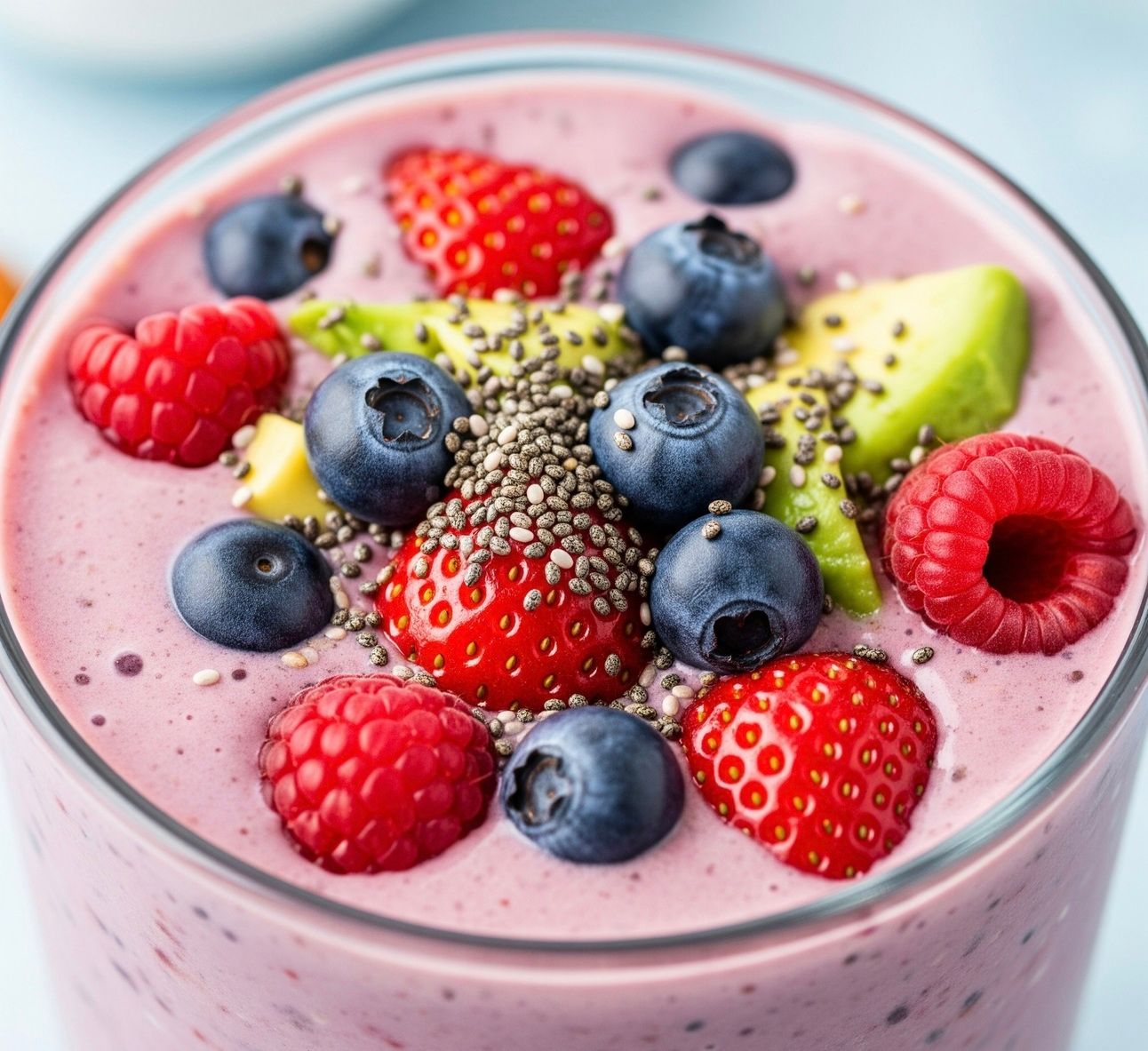
1 scoop protein powder (vanilla or unflavored)
1/2 cup mixed berries (frozen)
1/2 cup unsweetened almond milk (or water)
1/4 avocado (for healthy fats and creaminess)
1 tbsp chia seeds
Optional: handful of spinach (you won't taste it!) Instructions:
Combine all ingredients in a blender.
Blend until smooth and creamy. 🧠 Why it helps: Quick, nutrient-dense, provides healthy fats and protein, perfect for a lighter meal or snack.
🥗 3. Quinoa Salad with Roasted Sweet Potato & Chickpeas Ingredients:
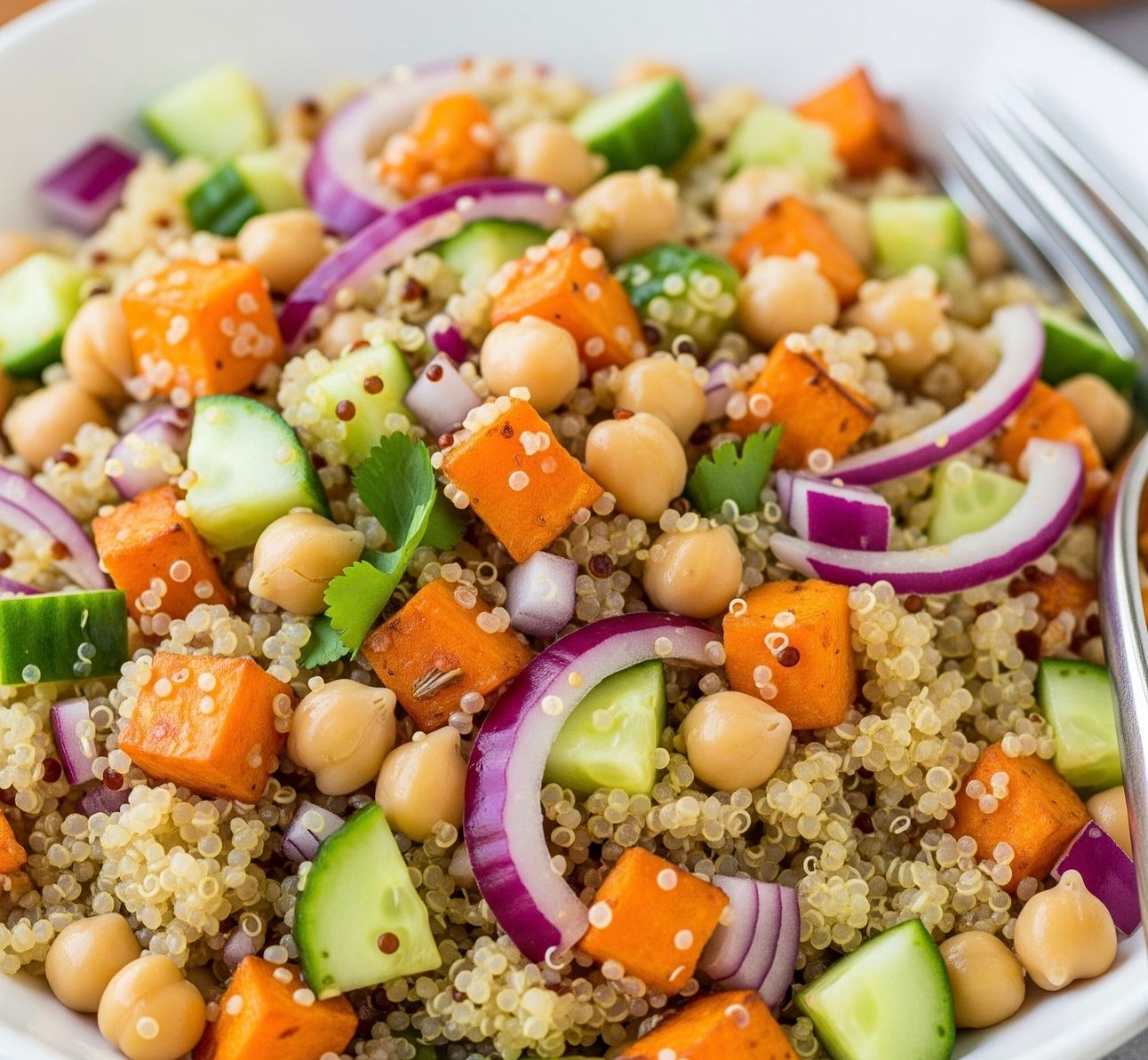
1/2 cup cooked quinoa
1 small sweet potato, cubed and roasted
1/2 cup cooked chickpeas
1/4 cup chopped cucumber
1/4 cup chopped red onion
2 tbsp olive oil
1 tbsp apple cider vinegar
Salt and pepper to taste Instructions:
In a bowl, combine cooked quinoa, roasted sweet potato, chickpeas, cucumber, and red onion.
Whisk together olive oil, apple cider vinegar, salt, and pepper for the dressing.
Pour dressing over the salad and toss gently to combine. 🧠 Why it helps: Provides complex carbs (great for higher carb days), fiber, and plant-based protein. Can be reduced in size for lower calorie days.
🛒 Metabolic Confusion Grocery Tips for Busy Women Over 50 Stock Up On:
Lean Proteins: Chicken breast, turkey, fish (salmon, cod), eggs, Greek yogurt, protein powder
Healthy Fats: Avocados, nuts (almonds, walnuts), seeds (chia, flax), olive oil
Non-Starchy Vegetables: Broccoli, spinach, bell peppers, zucchini, leafy greens
Complex Carbohydrates (for higher carb days): Quinoa, sweet potatoes, oats, brown rice, berries
Legumes: Chickpeas, lentils (in moderation if sensitive)
Flavor Enhancers: Herbs, spices, lemon, vinegars
Avoid:
Highly processed foods
Excessive added sugars
Refined grains (white bread, pastries)
Trans fats
🛍️ Tip: Plan your high and low-calorie days in advance and make a shopping list accordingly to streamline your grocery tripsJoin Our Community!
Are you interested in exploring how the ketogenic diet and metabolic approaches can transform your mental health or support neurodiversity? Join our growing community of health-conscious individuals!
Subscribe to My Keto Mind Newsletter:
Weekly evidence-based articles
Exclusive recipes and meal plans
Expert interviews
Community success stories
First access to webinars and events
Facebook: My Keto Mind
Instagram: @myketomind
X: @myketomind
Special Interest Groups:
Parents of Neurodivergent Children
Women's Hormonal Health
Mental Health Warriors
Keto for ADHD/Autism
Reply