- KetoMind
- Posts
- Food 4 Thought Episode #9
Food 4 Thought Episode #9
Your Complete Guide to Metabolic Psychiatry and Ketogenic Living
Geoff Hargreaves
May 19, 2025
Welcome to My Keto Mind!
Hey there, Keto Curious Friend!
In this week’s episode, we’re going to explore something that could change the lives of people with sensitive digestion and neurodivergence: the Low FODMAP Diet.
FODMAPs are fermentable carbs that can cause gas, bloating, and digestive discomfort in people with IBS, autism, ADHD, and more.
Reducing FODMAPs can calm the gut—which means better brain focus, fewer meltdowns, and more energy.
Today, we’re going to dive into:
What FODMAPs are and how they affect the brain
How low FODMAP eating helps women and those with ADHD
How FODMAP and keto can work together
Easy, gut-friendly recipes for women with sensitivities
Let’s get started!
✨ FEATURE ARTICLE
What Is the FODMAP Diet?
FODMAP stands for Fermentable Oligosaccharides, Disaccharides, Monosaccharides and Polyols. These are short-chain carbohydrates that are poorly absorbed in the small intestine.
In many people—especially those with IBS, autism, and ADHD—FODMAPs cause gas, bloating, cramps, and even behavioral flare-ups. That’s because gut discomfort triggers stress signals to the brain.
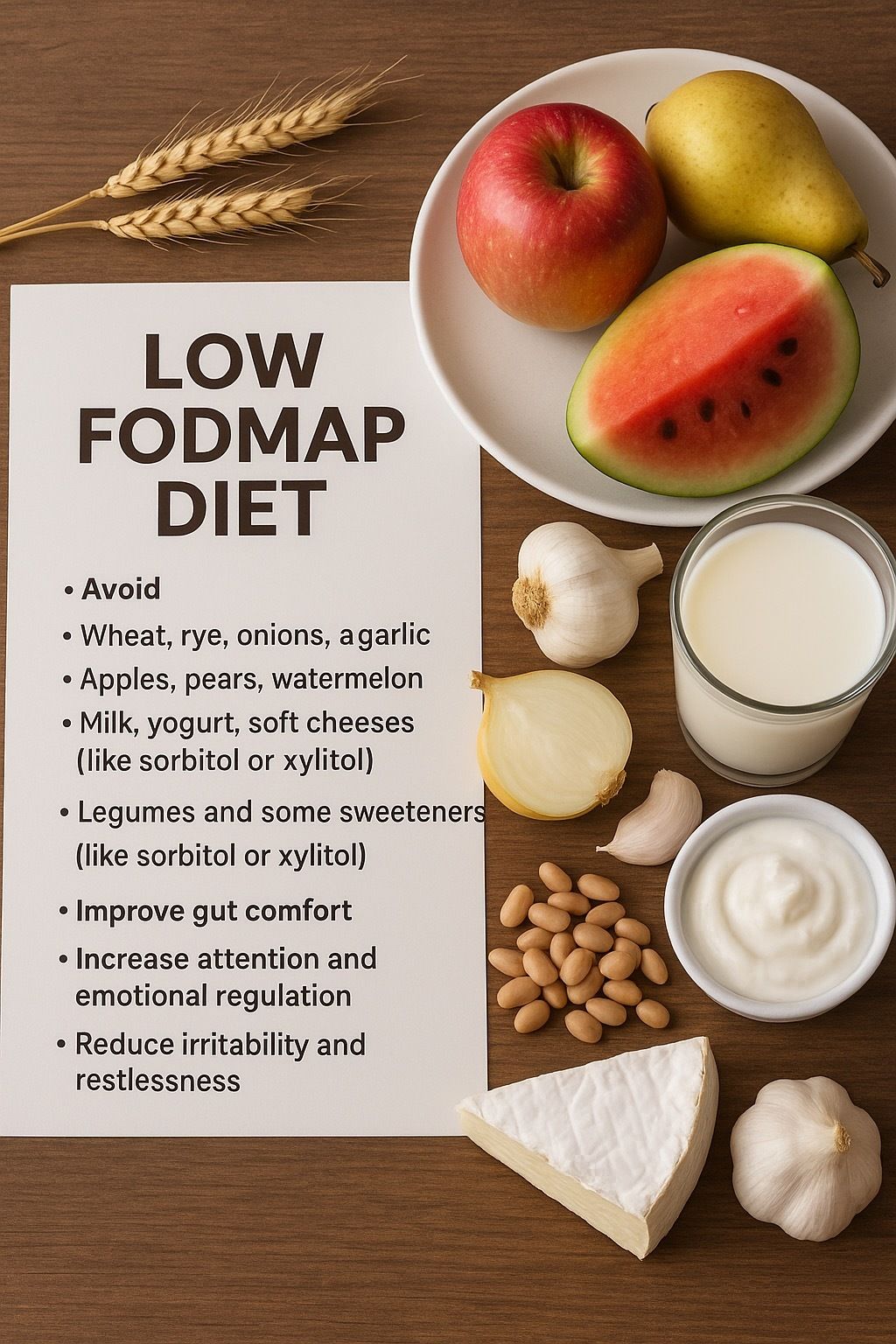
The low FODMAP diet involves reducing or eliminating foods high in these fermentable sugars. This means avoiding things like:
Wheat, rye, onions, and garlic
Apples, pears, watermelon
Milk, yogurt, soft cheeses
Legumes and some sweeteners (like sorbitol or xylitol)
Studies show that removing FODMAPs can:
Improve gut comfort
Increase attention and emotional regulation
Reduce irritability and restlessness
The diet is often used for 4–8 weeks, followed by a slow reintroduction phase to identify which foods cause symptoms.
When paired with keto, a low FODMAP diet can be doubly powerful for supporting brain clarity and gut balance.
🗞 Learn more: Monash University Low FODMAP Guide
🎓 FOOD 4 THOUGHT
1. FODMAP for Women: Gut-Brain Connection and Hormones Stanford’s groundbreaking research on keto for severe mental illness

Women are more likely than men to suffer from IBS, hormone fluctuations, and gut-brain syndromes. The FODMAP diet can help ease these issues.
A 2022 study found that women on a low FODMAP diet reported:
Less abdominal pain and bloating
Better mood stability
Improved mental focus during menstruation
Hormones like estrogen and progesterone can affect gut motility. A low FODMAP diet can help even out these effects and support better mood regulation in neurodivergent women, particularly those with ADHD or PMDD.
“When I reduced FODMAPs, I noticed I didn’t get brain fog before my period,” said Julie, 33, with ADHD.
📜 Reference: Gastroenterology & Women's Health, 2022

2. FODMAP + Keto for ADHD: The Double Benefit
The ketogenic diet stabilizes blood sugar and fuels the brain with ketones. The FODMAP diet reduces gut inflammation and dysbiosis. Together, they offer a powerful combo for teens and adults with ADHD.
Emerging programs, including the Stanford Brain-Gut Pilot, show that reducing gut inflammation through FODMAP and boosting brain energy with keto may:
Decrease hyperactivity
Improve attention and calm
Lower anxiety
This is especially true for people with gut-brain symptoms like chronic bloating, constipation, or "gut anxiety."
"Within 2 weeks, my son was calmer, less reactive, and actually slept better," reported one parent in the trial.
📜 Reference: Stanford Brain-Gut Center
3. The Future of Low FODMAP for Learning Support

Low FODMAP diets are being explored as part of holistic learning and behavior support programs in neurodivergent schools and adult learning services.
Teachers and therapists are beginning to notice how gut discomfort fuels distractibility, tantrums, and low energy in kids and teens with learning difficulties.
Pilot programs in Canada and Australia now combine:
Sensory integration
Low FODMAP + moderate-carb meals
Movement therapy and mindfulness
Preliminary outcomes show:
Better classroom focus
Improved emotional regulation
Reduced medication reliance
“We realized food was either fueling or fixing the behaviors,” said one special ed teacher.
📜 Read more: Nutrition in Clinical Practice, 2023
4. Helping a Neurodivergent Family Member Eat Low FODMAP

Many children and adults with autism, ADHD, or anxiety struggle with food sensitivity. A low FODMAP approach can calm their gut and brain — but it must be done with compassion and strategy.
Tips:
Start with swaps: use green beans instead of peas, and lactose-free cheese
Reduce portion size of high-FODMAPs rather than remove them all at once
Keep textures and flavors familiar (mashed potatoes → mashed celeriac)
Let them help prep and taste-test meals
Focus on what they gain: comfort, calm, and clearer thinking.
"My daughter said her tummy didn’t hurt for the first time in months," shared one mom.
🗞 Resources: Monash FODMAP App
🍽 KETO KITCHEN: 3 Low FODMAP Recipes for Women
These recipes are easy, nourishing, and female hormone-friendly!

🌱 Lemon-Ginger Chicken Soup
Ingredients:
1 cup bone broth
1/2 cup shredded cooked chicken
1 tsp grated ginger
1 tbsp lemon juice
1/4 cup zucchini noodles
Sea salt to taste
Chopped chives for garnish
Instructions:
Combine the bone broth, shredded chicken, grated ginger, and lemon juice in a saucepan.
Simmer the mixture over medium heat until it's hot.
Add the zucchini noodles and continue to simmer until they are tender.
Season with sea salt to taste.
Serve hot, garnished with chopped chives.
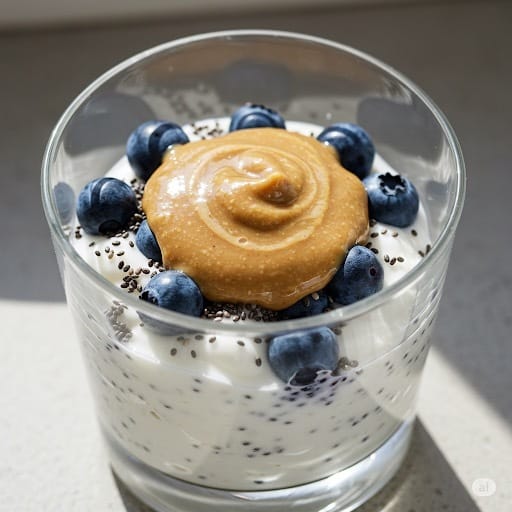
🧂 Coconut Yogurt Parfait
Ingredients:
1/2 cup coconut yogurt (unsweetened)
1 tbsp chia seeds
1/4 cup blueberries
1 tsp sunflower seed butter
Instructions:
In a glass or small bowl, layer the coconut yogurt.
Sprinkle the chia seeds over the yogurt.
Add a layer of blueberries.
Top with sunflower seed butter.
Chill before serving.
🍝 Low-FODMAP Pasta with Basil Pesto
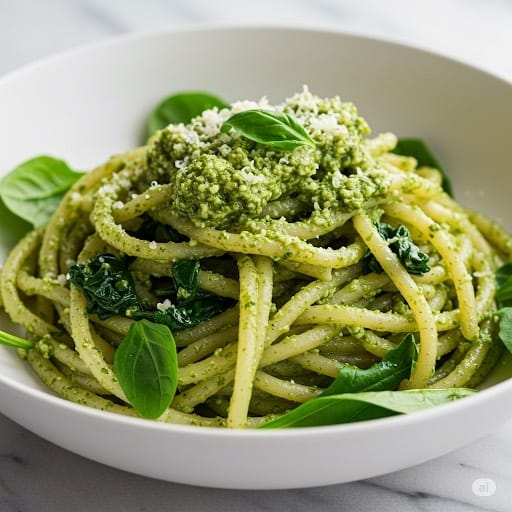
Ingredients:
1 cup cooked shirataki or chickpea pasta
2 tbsp homemade pesto (basil, olive oil, pine nuts)
1 tbsp parmesan (lactose-free)
Spinach or arugula
Fresh herbs for topping
Instructions:
Cook the shirataki or chickpea pasta according to package directions.
Warm the cooked pasta with homemade pesto in a pan.
Add spinach or arugula to the pasta.
Top with lactose-free parmesan cheese.
Garnish with fresh herbs before serving.
🌿 Closing Thoughts
FODMAPs can be the hidden trigger behind brain fog, belly pain, and emotional swings. When we calm the gut, the brain follows.
For neurodivergent women and families, this gentle approach may be the key to clarity.
Next week: Keto and Menopause: Brain, Body & Balance
Stay curious, Geoff💬 Join Our Community!
Connect, learn, and share your journey with others embracing the metabolic health path.
👉 Dive into the full articles below — your hormones (and your brain!) will thank you.
/
Reply