- My Keto Mind
- Posts
- Food 4 Thought Episode #8
Food 4 Thought Episode #8
Keto & Type 3 Diabetes: A Brain-Based Metabolic Strategy
Geoff Hargreaves
May 11, 2025
👋 Welcome to My Keto Mind!
Hey Keto Curious Friend,
Today’s issue explores one of the most important—and misunderstood—connections between food, insulin, and the aging brain:
Type 3 Diabetes, often referred to as the “Alzheimer’s version” of diabetes.
More and more studies are showing that Alzheimer’s disease is not just about plaques and memory—it’s also about metabolism.
The good news? Nutrition, specifically the ketogenic diet, is showing promise as a therapeutic path for those affected.
We’ll explain what Type 3 Diabetes really means, what the research says about using keto to manage or prevent it, and how families can support aging loved ones with real food that nourishes brain and body.
This week’s issue includes:
✅ A breakdown of what Type 3 Diabetes is
✅ Food 4 Thought: science-backed deep dives on keto and Alzheimer’s
✅ 3 brain-friendly keto recipes for seniors
✅ A shopping list caregivers
Let’s get into it 👇
💬 Join Our Community!
Connect, learn, and share your journey with others embracing the metabolic health path.
👉 Dive into the full articles below — your hormones (and your brain!) will thank you.

🌟 FEATURE ARTICLE
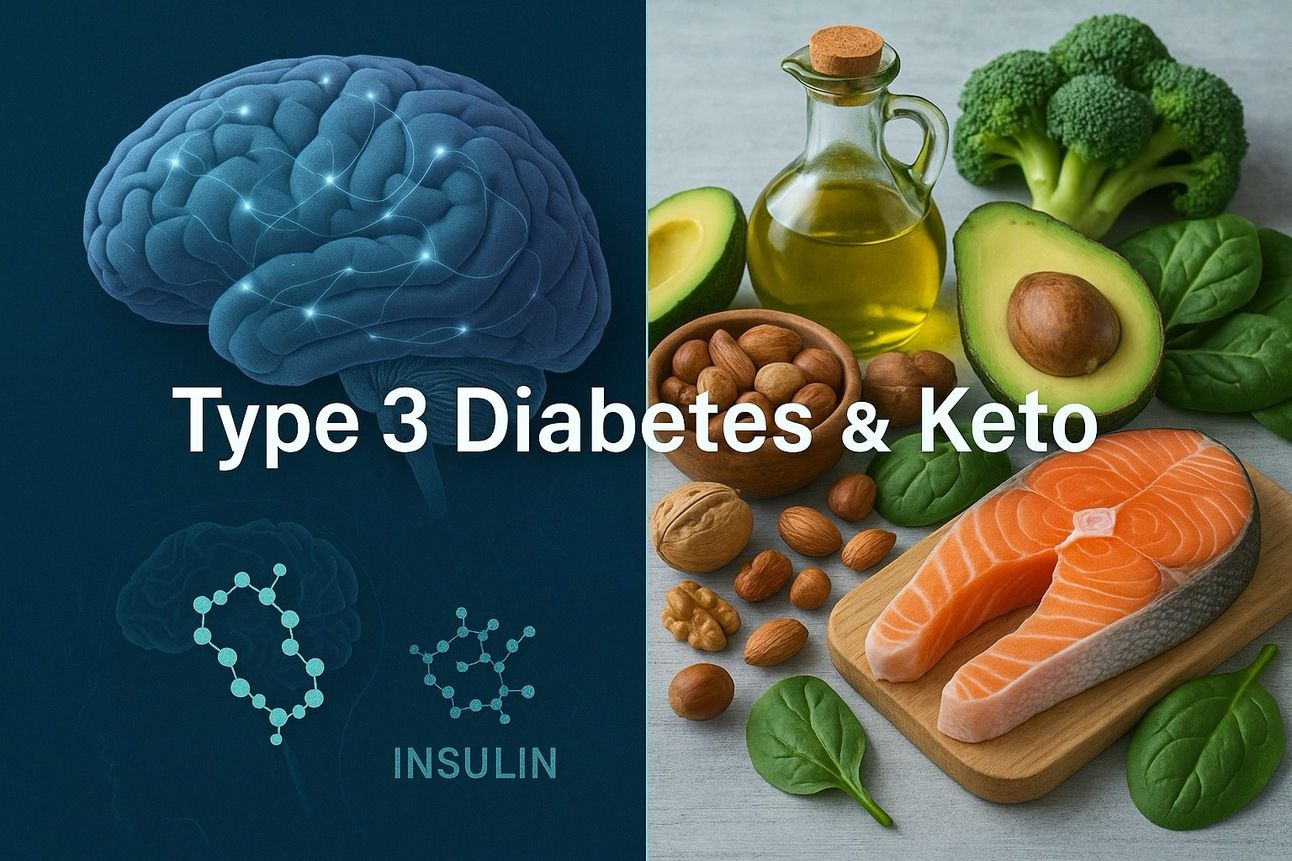
What Is Type 3 Diabetes—and Why Is Keto Helping?
"Type 3 Diabetes" is an unofficial but increasingly used term for Alzheimer’s disease caused by insulin resistance in the brain.
Think of it as diabetes of the brain—where neurons can no longer effectively use glucose as fuel.
This leads to slow cognitive decline, confusion, memory loss, and—eventually—neurodegeneration.
While Type 1 and 2 diabetes affect the body, Type 3 affects cognition, independence, and personality.
Scary? Yes. But the science is now offering hope—and a dietary way forward.
Ketogenic diets create ketones, an alternate fuel that can cross the blood-brain barrier and nourish brain cells even when glucose cannot.
These ketones reduce inflammation, improve mitochondrial function, and offer direct energy to aging neurons.
Research shows people with Alzheimer’s have up to 40% less glucose metabolism in certain brain areas.
But ketone metabolism remains intact—even in advanced cases. In other words: the brain forgets how to use sugar, but not fat.
In one study, seniors on a 3-month ketogenic protocol had measurable improvements in verbal memory, attention span, and mood.
🧠 Keto may not cure Alzheimer’s—but it could delay it, reduce symptoms, and improve quality of life.
🧾 Learn More:
Journal of Alzheimer’s Disease, 2020
Food 4 Thought: Latest in Metabolic Psychiatry

1. Keto for Seniors: Reclaiming Energy, Memory & Independence
Aging often comes with a list of chronic conditions: fatigue, memory loss, blood sugar issues, high blood pressure.
What if one approach could help address all of these at once?
That’s what many seniors are discovering with keto.
As insulin sensitivity declines with age, seniors often experience weight gain, brain fog, and increased risk for Alzheimer’s.
The ketogenic diet targets all of these through one core mechanism: metabolic flexibility.
Keto helps seniors by:
✅ Providing ketones for cognitive function
✅ Lowering inflammation in the brain and joints
✅ Improving blood pressure and cholesterol
✅ Stabilizing mood and energy
In the Virta Health study, adults over 65 on a keto-style diet showed improved insulin sensitivity, reduced medication use, and reported sharper mental clarity.
Even better, keto reduces crashes, sugar cravings, and the "2 PM nap zone" many older adults fall into.
It's not about restriction—it's about fueling the brain with the cleanest source of energy it can get.
Start simple: eggs for breakfast, meat and greens for lunch, and a keto soup for dinner.
You don’t need to chase macros—just reduce processed carbs and add healthy fats.
“At 74, I’m off two medications and remembering names better,” one Virta participant reported.
🧾 Read the study: Virta Health Results for Seniors
2. How Ketones Feed a Starving Brain
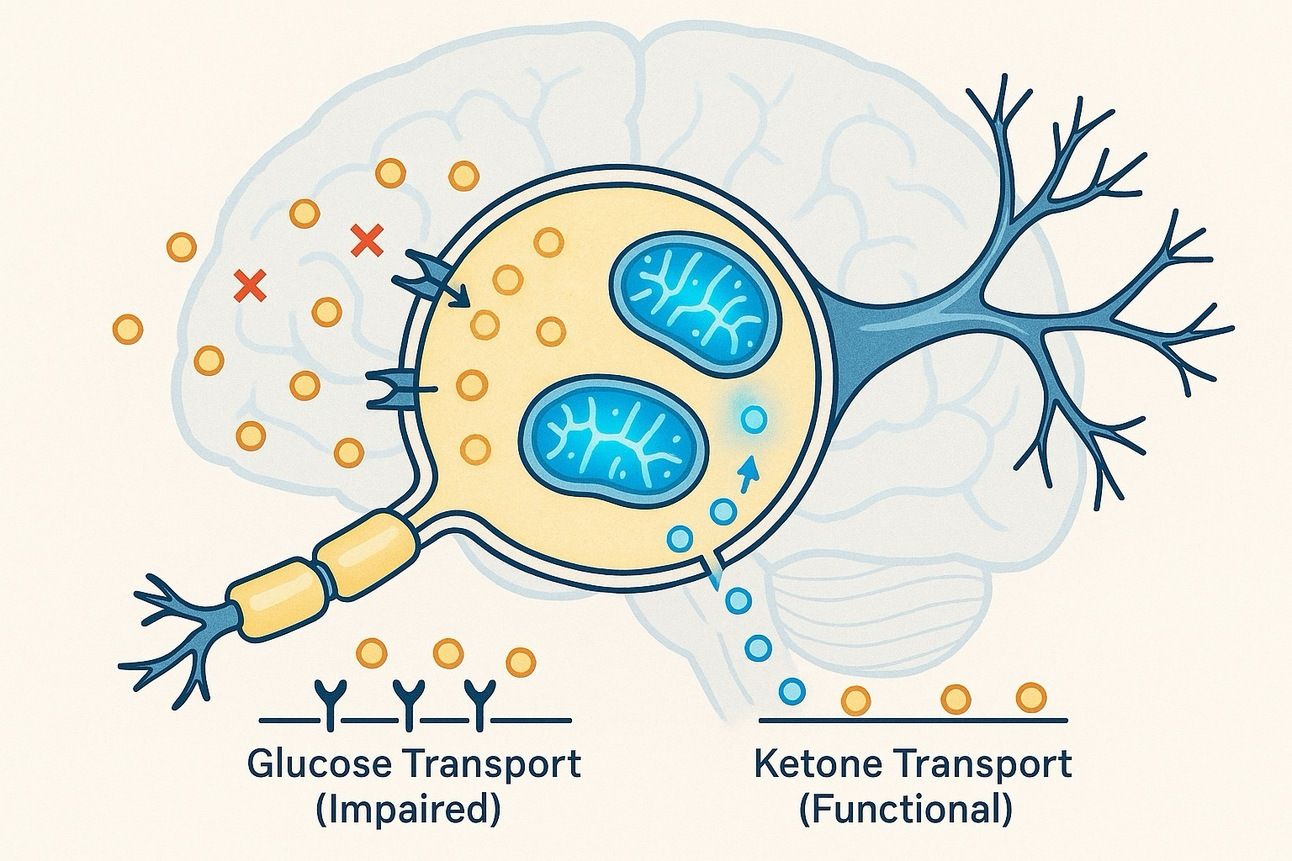
Glucose is the brain’s primary fuel source—until it stops working.
In Alzheimer’s disease, cells in the hippocampus and cortex become resistant to insulin. This means glucose can't enter the cells—and the brain literally starves.
Ketones, on the other hand, enter through a different transport system and don't require insulin. This is where keto shines.
In a 2021 clinical trial, adults with early-stage Alzheimer’s were given a ketogenic meal plan.
After 6 weeks, they showed significant improvements in verbal fluency and short-term memory—without any pharmaceutical intervention.
Ketones work by:
✅ Fueling mitochondria (the energy engines of brain cells)
✅ Reducing oxidative stress
✅ Enhancing GABA (a calming neurotransmitter)
✅ Inhibiting amyloid plaque buildup
Dr. Stephen Cunnane, a leading researcher in brain metabolism, notes that the Alzheimer’s brain still uses ketones at 100% capacity, even when glucose use is impaired.
For families struggling with dementia, this opens a massive opportunity. Dietary change could delay nursing home entry or even reverse early symptoms.
🧾 Study: Frontiers in Aging Neuroscience, 2021
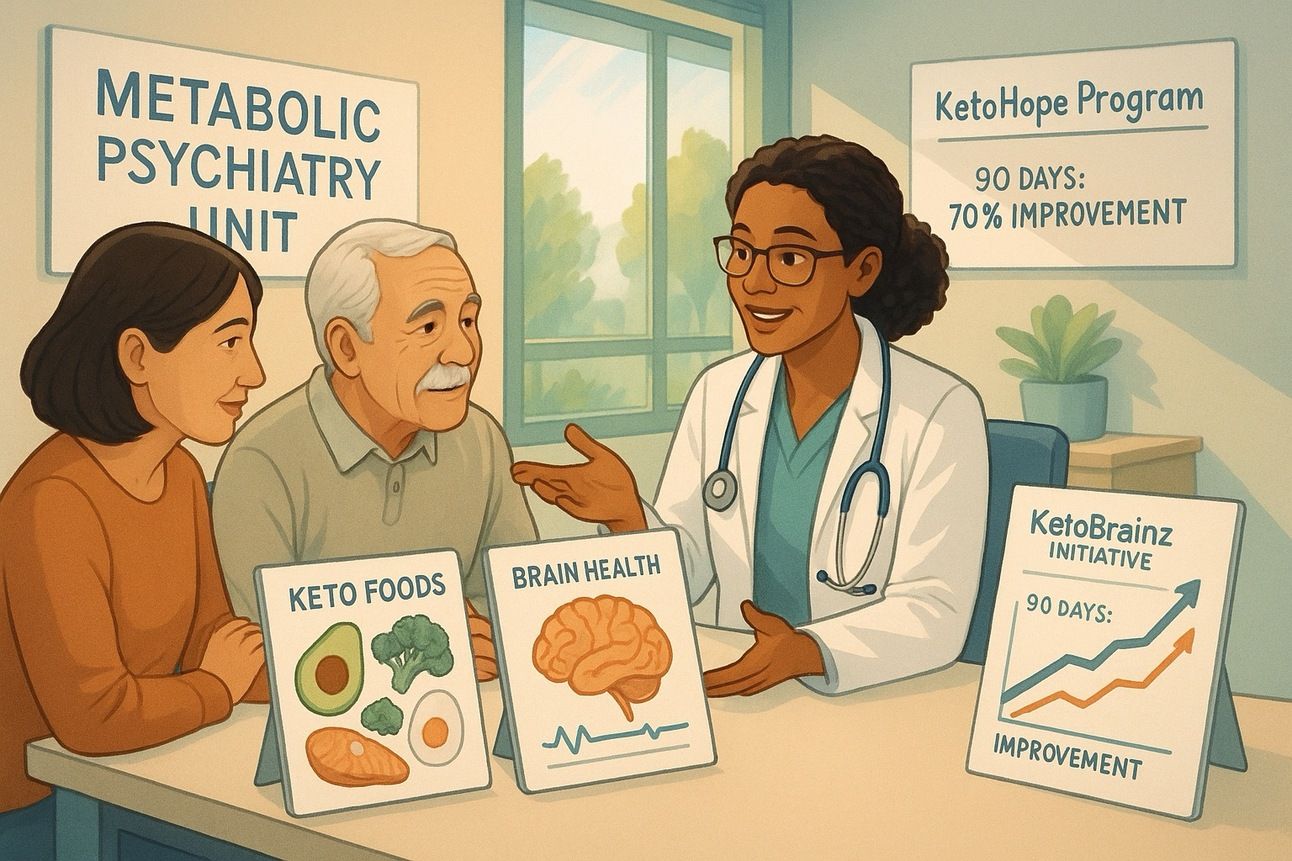
3. Keto Programs for Brain Health
What’s happening in the real world?
Several clinical programs are already using ketogenic therapy to support brain health—and the results are encouraging.
KetoHope, a U.S.-based initiative, works with early-onset Alzheimer’s patients using food-first protocols. Their success rate includes stabilization or improvement in cognitive tests for over 70% of participants after 90 days.
Meanwhile, KetoBrainz, a European nonprofit, runs pilot programs combining ketogenic meals, lifestyle changes, and caregiver coaching.
Even large hospitals are starting to pay attention. The Cleveland Clinic and UCLA have launched metabolic psychiatry units that include ketogenic protocols for Alzheimer’s, Parkinson’s, and even bipolar disorder.
The takeaway? This isn’t fringe. It’s the future of medicine.
Families don't need to wait. With basic changes—like removing refined carbs and adding healthy fats—many people see benefits in weeks.
“I saw my dad come back to life,” wrote one participant’s daughter. “He was joking again. He remembered my birthday.”
🧾 Learn More:
British Journal of Nutrition, 2023

4. Helping a Senior Loved One Start Keto
Convincing a parent or grandparent to eat differently can be challenging—but it’s possible, and often transformational.
Start with compassion. Don’t demand perfection. Explain simply:
“This way of eating gives your brain more fuel. It might help you feel clearer.”
Here are practical tips:
✅ Start with breakfast: Replace cereal or toast with scrambled eggs and avocado.
✅ Skip the math: No need to count macros—just limit bread, pasta, and sugar.
✅ Use family meals: Cook one meal for everyone and skip the carb for them.
✅ Make it tasty: Bacon, cheese, butter, olives—keto food can be comfort food.
✅ Hydrate & salt: Seniors may need more water and electrolytes on keto.
Focus on what they gain, not what they lose: more energy, better memory, fewer meds.
Lastly, let them be part of the change. Show them stories, let them shop with you, or help with food prep. Autonomy matters at any age.
🧾 Extra resource: Charlie Foundation – Keto for Neurological Conditions
🍽️ KETO KITCHEN: SENIOR EDITION
Here are 3 recipes that are easy to chew, gentle on digestion, and packed with brain-friendly nutrients.
🍳 1. Egg & Avocado Breakfast Plate

Ingredients:
2 soft scrambled eggs
1/2 avocado
1 tbsp goat cheese
Dash of sea salt
Instructions:
Cook eggs gently in butter. Top with mashed avocado and crumbled cheese.
🧠 Why it helps: Choline, healthy fats, and no sugar spike.
🥣 2. Creamy Cauliflower Soup

Ingredients:
1/2 head cauliflower (steamed)
2 tbsp cream cheese
1 tbsp butter
1 cup bone broth
Herbs (thyme, salt, garlic)
Instructions:
Blend all until smooth. Warm and top with parsley or olive oil.
🧠 Why it helps: MCTs + minerals = comfort + cognition.
🧁 3. Keto Flax Microwave Muffin

Ingredients:
1 egg
2 tbsp ground flaxseed
1 tbsp coconut oil
1/2 tsp baking powder
Cinnamon + stevia to taste
Instructions:
Mix in a mug. Microwave for 90 seconds. Enjoy warm.
🧠 Why it helps: Fiber-rich, easy to make, perfect for solo seniors.
🛍️ Grocery Tips for Senior Keto
Staples: Eggs, avocado, cauliflower, olive oil, Greek yogurt
Proteins: Ground beef, canned salmon, chicken thighs
Soft options: Soups, steamed greens, bone broth, flax muffins
Snacks: Cheese, olives, cucumber slices, boiled eggs
🧠 Tip: Focus on soft textures, minimal prep, and comfort-friendly flavors.
Join Our Community!
Are you interested in exploring how the ketogenic diet and metabolic approaches can transform your mental health or support neurodiversity? Join our growing community of health-conscious individuals!
Subscribe to My Keto Mind Newsletter:
Weekly evidence-based articles
Exclusive recipes and meal plans
Expert interviews
Community success stories
First access to webinars and events
Facebook: My Keto Mind
Instagram: @myketomind
X: @myketomind
Special Interest Groups:
Parents of Neurodivergent Children
Women's Hormonal Health
Mental Health Warriors
Keto for ADHD/Autism
Coming Next Week: Keto & Menopause
Hot flashes, mood swings, brain fog—how keto helps women thrive through hormonal shifts.
Reply