- My Keto Mind
- Posts
- Food 4 Thought Episode #7
Food 4 Thought Episode #7
Your Complete Guide to Metabolic Psychiatry and Ketogenic Living
Geoff Hargreaves
May 07, 2025
Welcome to My Keto Mind!
Hey there, Keto Curious Friend!
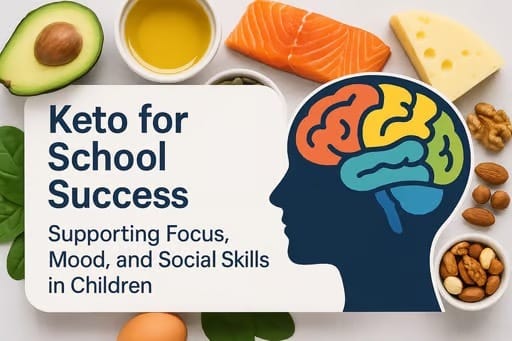
This week's issue tackles something many parents struggle with—supporting teenage brain development during the challenging school years.
We'll explore how ketogenic approaches can help teens maintain focus, regulate their moods, and develop crucial social skills.
We'll break down the science, share practical implementation strategies, and offer teen-approved meals when out with friends or family
🩸 Main Article: Implementing Ketogenic Diets to Support School Success in Teenagers
🧠 Food 4 Thought: The Latest in Metabolic Psychiatry
Ketosis and Social Anxiety: New Hope for Teen Social Connection
The Gut-Brain Connection: How Keto Reshapes Teen Microbiomes
Ketogenic Diets for Teen Mood Stability: Beyond Depression and Anxiety
The Focus Factor: Ketones vs. Traditional Approaches for Teen ADHD
🥑 🍔 Teen Keto Survival Guide: 3 Tips for Eating Out Without Feeling Weird
Unless Burger Box
Chicken Salad Bowl
Low-Carb Pizza or Wings Night
💬 Join Our Community!
Connect, learn, and share your journey with others embracing the metabolic health path.
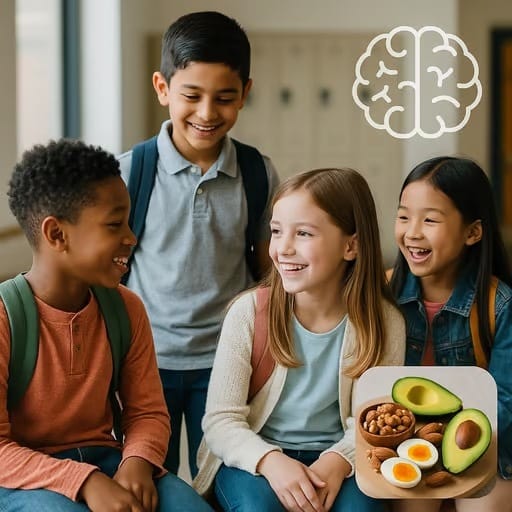
Main Article: Implementing Ketogenic Diets to Support School Success in Teenagers
The teenage years are a rollercoaster of brain development and academic and social challenges.
While traditional advice suggests medication or behavioural interventions, recent studies show that metabolic approaches, especially ketogenic diets, might be a game-changer for focus, mood regulation, and social skills.
These studies show that ketones can improve attention span, emotional stability, and social interactions by affecting brain energy metabolism, reducing inflammation, and improving gut-brain communication.
But here’s the thing: ketogenic diets for teenagers should always be done under medical supervision. They need to be monitored and adjusted to fit each teen’s unique needs.
The Science Behind Teen Brain Benefits
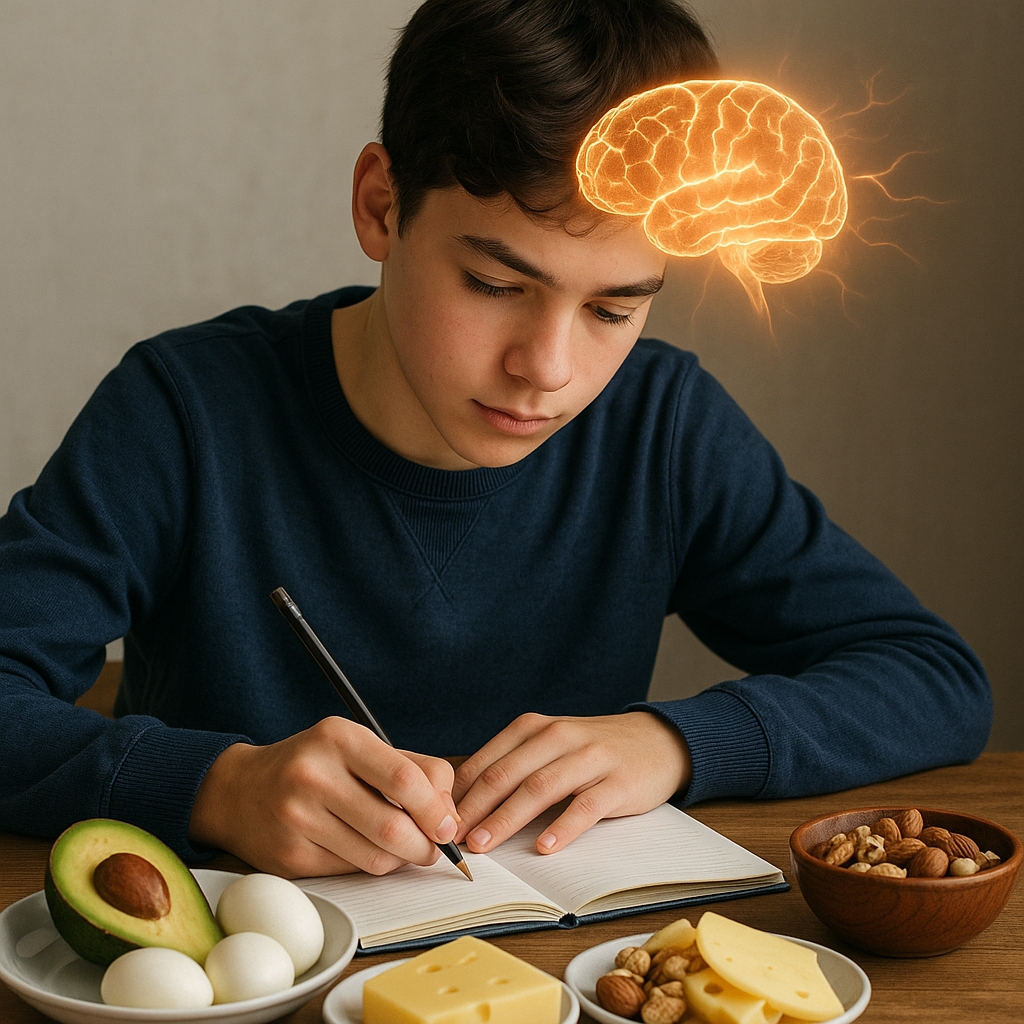
The teen brain is going through a major transformation, especially in the prefrontal cortex, which is in charge of making decisions, controlling impulses, and understanding social cues.
This development is both a blessing and a curse:
Energy Levels: Teenage brains need a lot of energy, but they often rely on glucose, which can cause energy surges and crashes.
Ketones, on the other hand, provide a more stable fuel source, keeping them focused and attentive.
Brain Chemicals: Ketosis helps balance important brain chemicals like GABA (which makes you calm) and glutamate (which makes you excited), which could help reduce anxiety, irritability, and impulsiveness.
Inflammation: Chronic inflammation can mess with your brain and make you feel worse. Ketogenic diets have been shown to have powerful anti-inflammatory effects that could improve your brain function.
Gut-Brain Connection: Many teens with focus or mood problems have different gut bacteria. Ketogenic diets seem to help change these gut bacteria, which could improve the way your gut and brain talk to each other.
The 3 Main Implementation Approaches
Standard Ketogenic Diet (SKD): 4:1 ratio of fat:(protein + carbs); most evidence-backed but strictest approach.
Modified Atkins Diet (MAD): 1.5:1 fat:(protein+carbs); less restrictive, making it more realistic for many teens.
MCT-Enhanced Approach: Uses medium-chain triglyceride supplements to maintain ketosis with slightly higher carbohydrate allowances—often most practical for active teenagers.
School Success Strategies
To maximize academic and social benefits:
Gradual transition: Reduce carbs progressively over 2-3 weeks rather than overnight
Focus on brain-supportive fats: Prioritize omega-3s from sources like fatty fish and flaxseed
Time meals strategically: Front-load fat/protein at breakfast for sustained mental energy
Hydration and electrolytes: Critical for brain function and preventing "keto flu"
Monitor and adjust: Track not just ketone levels but also focus, mood, and social interaction
Common Challenges and Solutions
Many parents worry about potential obstacles:
Peer pressure: Focus on portable, normal-looking lunches and snacks
Sports participation: Adjust fat/protein ratios for athletes while maintaining ketosis
Academic stress periods: May require higher protein allowances during exam weeks
Social events: Teach flexible strategies for navigating food-centered gatherings
When thoughtfully implemented and monitored, ketogenic approaches can help teenagers navigate their complex academic and social landscapes with greater focus, emotional stability, and interpersonal skills.
Food 4 Thought: Latest in Metabolic Psychiatry
Recent research suggests ketogenic diets may offer significant benefits for teenagers struggling with social anxiety—a common issue affecting academic performance and emotional well-being.
A 2024 study published in the Journal of Child Psychology and Psychiatry found that adolescents following a modified ketogenic diet for 12 weeks showed marked improvement in social engagement, reduced anxiety during peer interactions, and greater willingness to participate in group activities.
The mechanism appears multifaceted: ketosis reduces brain inflammation, balances excitatory and inhibitory neurotransmitters, and improves mitochondrial function in brain regions associated with social processing.
Parents report that teens on keto diets often demonstrate better eye contact, increased verbal participation in classes, and greater comfort in navigating complex social situations. For many teenagers, this translates directly to better academic outcomes as they engage more freely in collaborative learning.
While not a silver bullet, ketogenic approaches offer a promising complement to traditional social skill interventions, potentially helping teens build confidence and connections during this critical developmental period.
Reference: Journal of Child Psychology and Psychiatry, 2024
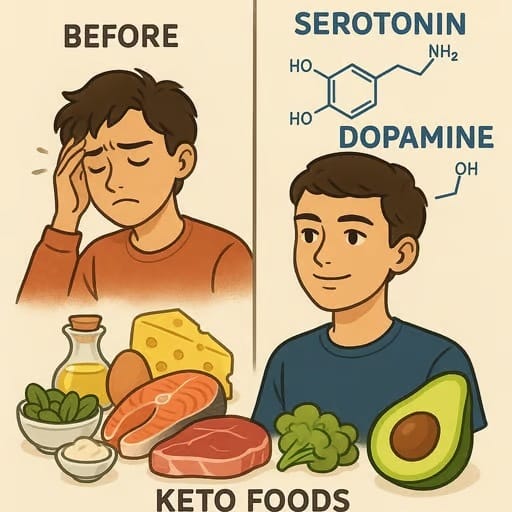
2. The Focus Factor: Ketones vs. Traditional Approaches for Teen ADHD
For teenagers with attention challenges, maintaining focus in educational settings can be a daily struggle.
While stimulant medications remain the standard treatment, metabolic approaches like ketogenic diets are gaining attention as complementary or alternative strategies.
Emerging research indicates ketones may support attention and executive function through multiple pathways:
Stable energy supply: Ketones provide consistent brain fuel, avoiding glucose-related energy crashes that can worsen focus
Reduced neuroinflammation: Lower inflammation supports optimal neural network functioning
Enhanced mitochondrial efficiency: Better cellular energy production in attention-related brain regions
GABA/glutamate balance: Improved ratio of inhibitory to excitatory neurotransmitters
A small but promising 2023 pilot study found that teens with ADHD who followed a modified ketogenic diet (allowing 30-40g carbs daily) showed improvements in sustained attention, working memory, and task completion.
Compared to those on medication—without the common side effects of appetite suppression or sleep disturbance.
Parents considering this approach should work with healthcare providers to determine appropriate implementation, monitoring, and potential medication adjustments.
While more research is needed, ketogenic interventions offer a promising metabolic strategy for supporting teen academic performance.
3. The Gut-Brain Connection: How Keto Reshapes Teen Microbiomes
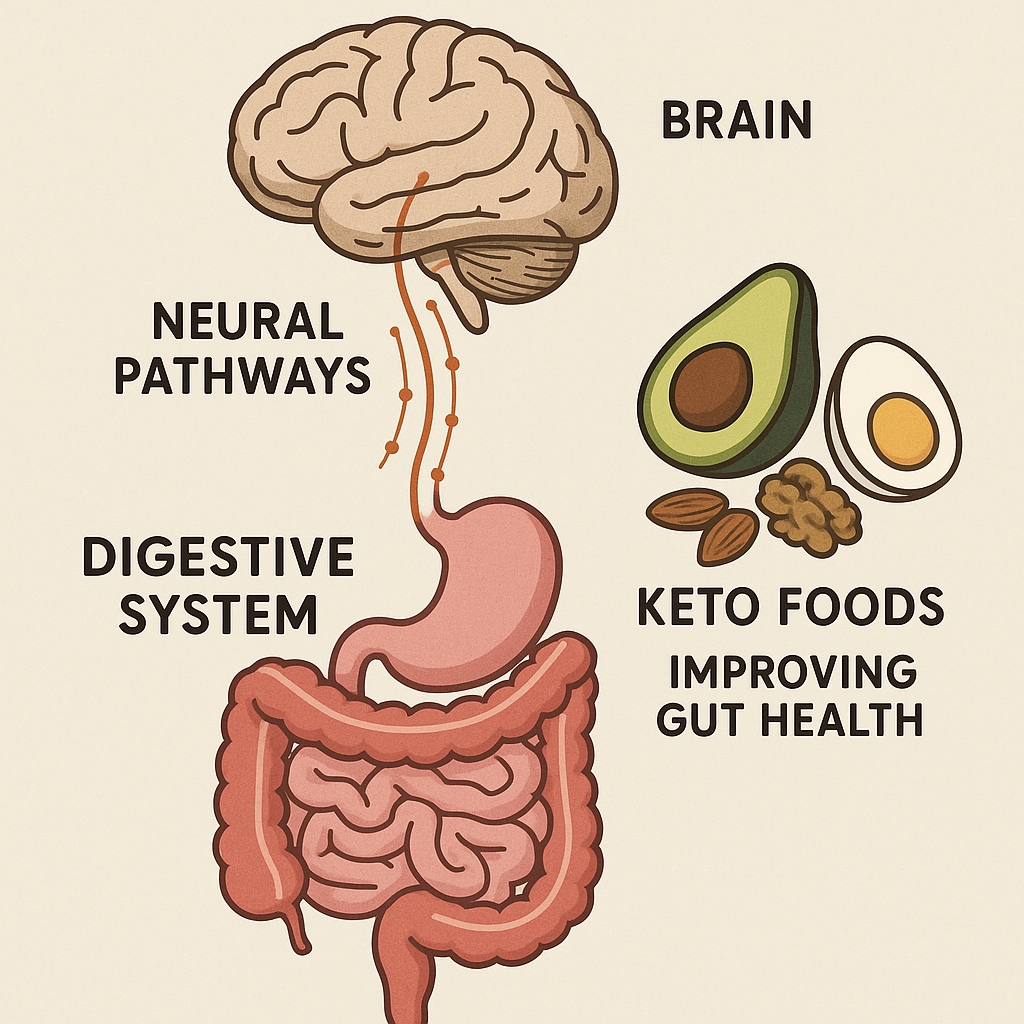
The gut-brain axis—the communication network between digestive system and brain—plays a crucial role in teenage cognitive and emotional development.
New research from the University of California reveals that adolescents with focus, mood, or social challenges often display distinct gut microbiome profiles compared to their neurotypical peers.
These differences correlate with altered production of neurotransmitters like serotonin and dopamine that directly impact mood, attention, and social behavior.
Remarkably, ketogenic diets appear to positively reshape the gut microbiota within 4-6 weeks, potentially improving brain function through several mechanisms:
Reduced intestinal inflammation
Enhanced production of beneficial short-chain fatty acids
Improved intestinal barrier function (preventing "leaky gut")
More balanced neurotransmitter synthesis
For teenagers navigating the academic and social pressures of school, these gut-related improvements may translate to better emotional regulation, focus, and social engagement.
Most significantly, these changes appear sustainable when teens follow even modified ketogenic approaches allowing moderate carbohydrate intake from fiber-rich vegetables and limited berries—making this intervention practical for long-term implementation during crucial developmental years.
Read more: Journal of Adolescent Health, 2024
4. Ketogenic Diets for Teen Mood Stability: Beyond Depression and Anxiety
Adolescence brings heightened emotional reactivity, often manifesting as mood swings, irritability, and stress sensitivity that can significantly impact academic performance and social development.
Recent clinical evidence suggests ketogenic diets may offer powerful mood-stabilizing effects for teenagers, working through multiple pathways:
Blood sugar stabilization: Eliminating glucose spikes and crashes that can trigger irritability and anxiety
GABA enhancement: Increasing this calming neurotransmitter that promotes emotional regulation
Inflammation reduction: Decreasing brain inflammation associated with depression and mood disorders
Hormone balance: Potentially improving insulin sensitivity and stress hormone regulation
A 2023 study in the Journal of Psychiatric Research found that teenagers following a ketogenic diet for 8 weeks showed significant improvements in mood stability, emotional resilience, and stress management.
These benefits directly translated to better classroom behavior, homework completion, and test performance.
Parents report that keto-adapted teens often demonstrate greater frustration tolerance, more consistent emotional states, and improved ability to navigate social conflicts—critical skills for academic and social success.
For families looking beyond conventional treatments for teen mood issues, ketogenic approaches offer a metabolic pathway worth exploring under appropriate medical guidance.
🍔 Teen Keto Survival Guide: 3 Tips for Eating Out Without Feeling Weird
Sticking to a ketogenic diet as a teenager can be tough—especially when everyone else is grabbing fries, milkshakes, and pizza. But you can stay on track without feeling left out or explaining your food choices like a science project. Here’s how:
Almost every restaurant has keto-friendly options if you know what to ask for. Swap the burger bun for lettuce, skip the fries, and add avocado or bacon. At pizza joints, go for a chicken Caesar salad or eat just the toppings. Mexican? Try a taco bowl with meat, cheese, guac, and sour cream—no shell needed.
2. Use the “Energy and Focus” Talk
When friends ask “why are you eating like that?”, keep it simple:
“It helps me focus better and keeps my energy steady.”
You don’t need to launch into ketones and macros unless they’re genuinely curious. Most people respect your goals if you’re confident about them.
3. Focus on the Fun, Not the Food
Remember: social time is about people, not the side of fries. Bring the good vibes, join the convo, and enjoy the moment. You’re not defined by what’s on your plate—you’re defined by how you show up.J
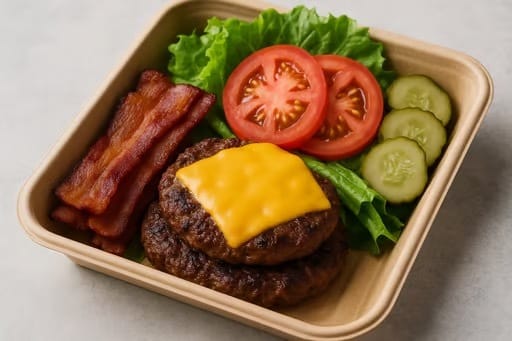
1. Bunless Burger Box
Where to get it: Any burger joint (McDonald’s, HJs, Grill’d, etc.)
Order like this:
Double beef patty
Add cheese, bacon, lettuce, tomato, pickles
No bun
Add avocado or egg if available
Side: Swap fries for a side salad or extra cheese
Tip: Ask for it in a lettuce wrap or “naked” in a box. Use mustard or mayo — avoid ketchup (hidden sugar).
2. Chicken Salad Bowl

Where to get it: Subway, Lunch Bars
Build it like this:
Grilled chicken or steak
Leafy greens (lettuce, spinach, rocket)
Add olives, cheese, cucumber, avocado, boiled egg
Dressing: Olive oil & vinegar or creamy dressing (like Caesar or ranch — check for low-carb)
Tip: Say no to croutons and sweet dressings.
3. Low-Carb Pizza or Wings Night

Where to get it: Pizza restaurants, casual pubs, Cafes, Domino’s (some have keto-friendly bases)
Options:
Order a meat/cheese-loaded pizza on a keto base (some places offer cauliflower or almond flour crust)
Or, skip the crust: Ask for a pizza bowl (toppings only — cheese, meats, sauce)
Chicken wings: Get buffalo, garlic butter, or salt & pepper — avoid BBQ or sweet sauces
Tip: Bring your own sugar-free drink if needed — or go with sparkling water.
🗞 Coming Next Week: Ketogenic Diet & Type 3 Diabetes
Breaking down how nutrition can empower the aging brain—and whether keto has a place in dementia prevention.
Subscribe to My Keto Mind Newsletter:
Weekly evidence-based articles
Exclusive recipes and meal plans
Expert interviews
Community success stories
First access to webinars and events
Facebook: My Keto Mind
Instagram: @myketomind
X: @myketomind
Special Interest Groups:
Parents of Neurodivergent Children
Women's Hormonal Health
Mental Health Warriors
Keto for ADHD/Autism
Reply